
Home
Home | Dental Equipment | About | Solutions | Service | News | Contact Us
- All
- Product Name
- Product Keyword
- Product Model
- Product Summary
- Product Description
- Multi Field Search
 English
 Views: 0 Author: Site Editor Publish Time: 2025-11-14 Origin: Site


Have you ever wondered what makes a dental practice truly effective? Quality dental equipment is essential for providing excellent patient care. In this article, we’ll explore the must-have dental equipment every practice should invest in. You’ll learn how the right tools enhance efficiency and improve patient outcomes.
Dental equipment refers to the various tools and devices used in dental practices to provide care and treatment. It encompasses everything from instruments for examinations to machines that assist in complex procedures. Understanding what dental equipment includes is crucial for any practice aiming to deliver high-quality care.
Dental equipment can be broadly categorized into several key groups, each serving a specific purpose in the dental field. Here’s a brief overview:
1. Treatment Devices
a. These are essential for performing dental procedures. They include:Dental Chairs: Ergonomically designed for patient comfort and accessibility.
b. Handpieces: High-speed and low-speed tools for various treatments.
c. Light Curing Units: Used to harden dental materials like composites.
2. Diagnostic Tools
a. Accurate diagnosis is vital for effective treatment. Diagnostic tools include:Intraoral Cameras: Allow dentists to capture images inside the mouth for better patient education.
b. Digital X-Ray Machines: Provide immediate imaging with less radiation exposure.
c. Cone Beam CT Scanners: Offer 3D imaging for complex cases, aiding in precise treatment planning.
3. Hygiene Products
a. Maintaining hygiene is critical in dentistry. This category consists of:Sterilization Equipment: Such as autoclaves, ensuring all instruments are free from pathogens.
b. Disposable Supplies: Items like gloves, masks, and bibs that prevent cross-contamination.
Category | Examples | Purpose |
Treatment Devices | Dental chairs, handpieces, curing lights | Perform dental procedures |
Diagnostic Tools | Intraoral cameras, digital X-rays | Assist in diagnosis and treatment planning |
Hygiene Products | Sterilizers, disposable supplies | Ensure safety and cleanliness |
Understanding these categories helps dental professionals select the right tools for their practice. Each type of equipment plays a vital role in delivering effective and safe dental care. By investing in quality dental equipment, practices can enhance patient experience and improve overall outcomes.
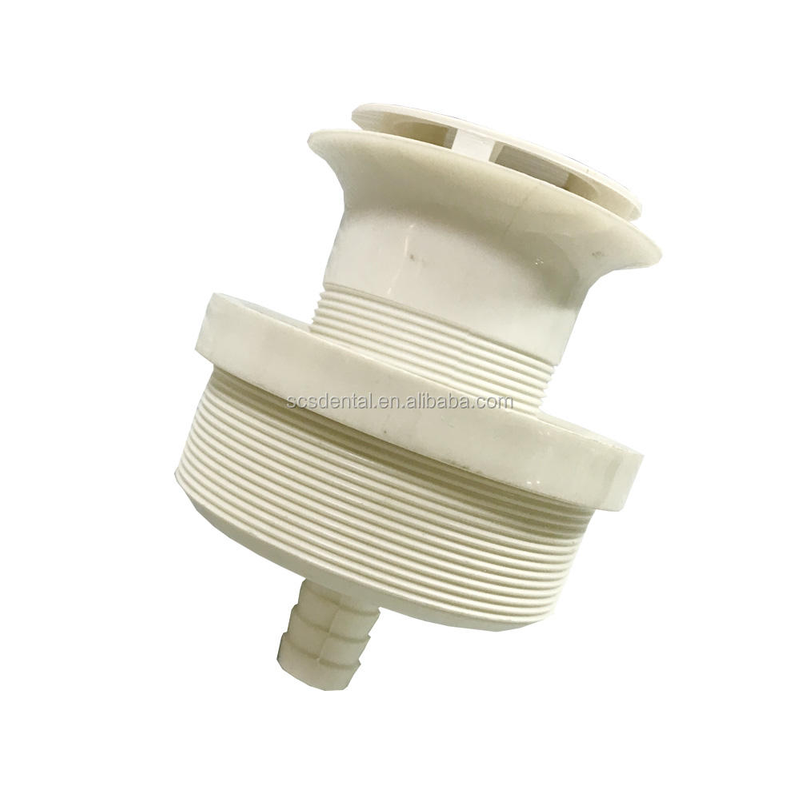
Quality dental equipment plays a crucial role in delivering effective patient care. When dentists use accurate tools, they can make precise diagnoses and provide treatments that truly address patient needs. For instance, digital X-rays reduce radiation exposure while offering clear images, enabling better treatment decisions. Moreover, advanced handpieces can perform procedures more efficiently, minimizing discomfort for patients.
The right tools also enhance patient comfort and safety. A well-designed dental chair not only supports the patient's body but also allows the dentist to work effectively. This ergonomic design helps reduce strain for both patients and practitioners. Additionally, using sterilization equipment ensures that all instruments are safe, preventing infections and promoting trust in the dental practice.
Advanced dental equipment significantly streamlines clinical procedures. For example, modern imaging devices allow for quicker diagnostics, reducing the time patients spend in the chair. This efficiency translates into more appointments being handled daily, which boosts practice productivity.
Equipment Type | Efficiency Benefits | Example |
Diagnostic Tools | Faster diagnosis and treatment planning | Digital X-rays |
Treatment Devices | Quicker procedures, less patient discomfort | Laser dentistry |
Sterilization Equipment | Ensures safety, allowing for faster turnover | Autoclaves |
By investing in cutting-edge dental equipment, practices can not only improve the quality of care but also enhance overall operational efficiency. This means less waiting time for patients and a smoother workflow for dental professionals, ultimately leading to better patient satisfaction and loyalty.
When it comes to setting up a dental practice, understanding the core categories of essential dental equipment is vital. Each category plays a significant role in ensuring effective patient care and operational efficiency. Here’s a closer look at the fundamental categories of dental equipment that every practice should consider.
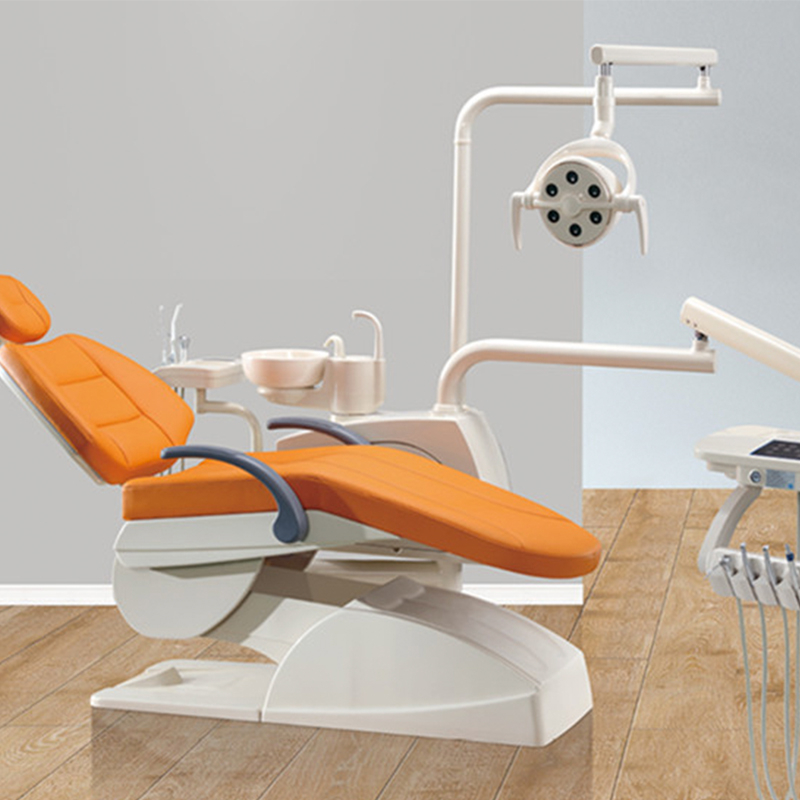
Dental chairs are fundamental to patient comfort and treatment efficiency. An ergonomic design is crucial; it not only supports the patient but also allows the dentist to work comfortably. When selecting a dental chair, look for features such as adjustability, integrated tools, and ease of cleaning. For instance, models like the SCS350 and SCS180 from SCS Dental Equipment offer excellent adjustability and built-in features that enhance functionality, making procedures smoother.
Handpieces are essential tools in any dental practice, categorized into high-speed and low-speed types. High-speed handpieces are typically used for cutting and drilling, while low-speed handpieces are ideal for polishing and finishing. Each type has distinct benefits; high-speed handpieces allow for quicker procedures, reducing patient discomfort, while low-speed handpieces provide precision for delicate tasks.
Root canal procedures require specialized tools to ensure accuracy and effectiveness. Essential equipment includes apex locators and endo motors, which assist in measuring the length of the root canal accurately. The C-SMART-1 Pro is a standout device in this category, known for its precision in root canal measurements, making it indispensable for endodontic procedures.
Curing lights play a critical role in dental procedures, particularly in hardening composite materials. When choosing a curing light, consider features such as wavelength, intensity, and ease of use. A reliable curing light can significantly enhance the quality of restorations, ensuring they bond effectively and last longer.
Intraoral cameras are revolutionizing patient education and diagnosis. These small, high-resolution cameras allow dentists to capture detailed images of the mouth, making it easier to explain conditions to patients. This visual aid not only enhances understanding but also fosters trust between patients and dental professionals.
Digital X-ray machines offer several advantages over traditional radiography. They provide immediate imaging results, reducing wait times for patients. Furthermore, digital imaging significantly lowers radiation exposure, enhancing patient safety. This technology allows for better diagnosis and treatment planning, making it a must-have in modern dental practices.
Cone Beam CT (CBCT) scanners are essential for complex cases that require 3D imaging. This technology provides detailed images of the teeth, soft tissues, and bone structure, aiding in precise treatment planning. CBCT is particularly beneficial for implants, orthodontics, and oral surgery, allowing dentists to visualize the entire anatomy in a way that traditional X-rays cannot.
Sterilization is critical in preventing infections in dental practices. Autoclaves are the backbone of sterilization, using high-pressure steam to eliminate all forms of microbial life. Other methods include chemical sterilization and dry heat, each with its own benefits. Ensuring all instruments are properly sterilized protects both patients and staff.
Disposable dental supplies, such as gloves, masks, and bibs, play a vital role in infection control. These items help maintain a sterile environment, preventing cross-contamination during procedures. By using disposable products, practices can ensure higher levels of hygiene and safety for their patients.
Essential hand instruments are fundamental in every dental practice. Common tools include mirrors, explorers, and scalers, each serving a specific purpose in examinations and treatments. These instruments must be of high quality to ensure effective and safe dental care.
In today's digital age, practice management software is becoming increasingly important. This software enhances patient management, scheduling, and record-keeping, streamlining operations. Features like billing, appointment reminders, and patient communication tools make it indispensable for efficient practice management.
Category | Key Equipment | Purpose |
Core Treatment Equipment | Dental chairs, handpieces, curing lights | Provide essential treatment tools |
Diagnostic Equipment | Intraoral cameras, digital X-rays | Aid in diagnosis and patient education |
Hygiene and Infection Control | Sterilization equipment, disposables | Ensure safety and prevent infections |
Auxiliary Tools | Dental instruments, software | Support daily operations and management |
Selecting the right dental equipment is crucial for any practice aiming to provide top-notch patient care. Several factors should guide your decision-making process, ensuring that you invest in equipment that meets both clinical needs and patient expectations.
When choosing dental equipment, quality and durability are paramount. High-quality tools not only perform better but also last longer, which can save money in the long run. Equipment made from robust materials withstands the rigors of daily use, reducing the frequency of replacements. For example, stainless steel instruments are preferred for their strength and resistance to corrosion. Investing in reliable equipment means fewer repairs and less downtime in your practice.
Cost is always a consideration, but it’s essential to analyze value rather than just price. Sometimes, lower-priced equipment may seem appealing, but if it lacks durability or performance, it could lead to higher costs over time due to repairs or replacements. A thorough cost-benefit analysis can help determine which equipment provides the best value. Here’s a simple breakdown:
Equipment Type | Initial Cost | Expected Lifespan | Maintenance Costs | Total Value |
High-Quality Handpiece | $500 | 5 years | $100/year | $1,500 |
Budget Handpiece | $300 | 2 years | $150/year | $1,600 |
In this example, while the initial investment in the high-quality handpiece is higher, the overall value is better due to its longer lifespan and lower maintenance costs.
Brand reputation plays a significant role in the selection process. Established brands often have a track record of reliability and quality. Additionally, customer service is vital; responsive support can make a huge difference when issues arise. Researching reviews and testimonials can provide insights into how well a brand supports its customers. Practices should prioritize brands known for their excellent customer service and reliable products.
Safety standards and regulations are non-negotiable when selecting dental equipment. Compliance ensures that the equipment is safe for both patients and practitioners. Look for equipment that meets local and international safety standards. This compliance not only protects patients but also safeguards your practice from potential legal issues. Always verify certifications and safety ratings before making a purchase.
Finally, it’s crucial to match your equipment to the specific clinical needs of your practice and the demographics of your patients. For instance, if your practice focuses on pediatric dentistry, consider equipment designed for children, such as smaller chairs or colorful tools that can help ease anxiety. Understanding your patient base allows you to select equipment that enhances their experience and meets their unique needs.
Patient Demographic | Recommended Equipment | Reason |
Children | Smaller dental chairs, colorful tools | To create a welcoming environment |
Elderly Patients | Ergonomic chairs with easy access | To accommodate mobility issues |
General Practice | Versatile handpieces and digital X-rays | To handle a wide range of procedures |
By considering these factors, dental practices can make informed decisions that enhance patient care, improve operational efficiency, and ultimately lead to a successful practice.
Investing in modern dental equipment is not just a trend; it's a necessity for practices aiming to enhance patient care and streamline operations. Upgrading your equipment can bring numerous benefits that positively impact both your practice and your patients.
Modern dental technology has transformed the way we approach treatment. For instance, digital X-rays provide clearer images and significantly reduce radiation exposure compared to traditional methods. This technology allows for faster diagnosis and treatment planning, which can lead to improved patient outcomes. Additionally, advancements in dental materials, such as biocompatible composites, enhance the longevity and aesthetics of restorations, making procedures more effective and satisfactory for patients.
Technology | Benefit | Impact on Practice |
Digital X-rays | Reduced radiation, faster imaging | Quicker diagnoses, improved safety |
CAD/CAM Systems | In-office creation of restorations | Faster turnaround times, higher satisfaction |
Laser Dentistry | Minimally invasive procedures | Less discomfort, quicker healing |
Upgrading to modern dental equipment can significantly enhance patient outcomes. For example, using advanced imaging techniques allows for more accurate diagnoses, which means treatments can be tailored more precisely to individual needs. Patients benefit from shorter appointment times and less invasive procedures, leading to higher satisfaction rates. Furthermore, efficient equipment reduces the time spent on each procedure, allowing practices to see more patients without compromising quality.
Consider how digital workflow systems can streamline administrative tasks. By integrating practice management software, dental offices can automate scheduling, billing, and patient communication. This not only saves time but also minimizes errors, creating a smoother experience for both staff and patients.
Digital dentistry is rapidly gaining traction, and its influence on equipment choices is profound. This trend encompasses various technologies, including 3D printing, intraoral scanning, and digital impressions. These innovations simplify processes, improve accuracy, and enhance the overall patient experience. For instance, intraoral scanners eliminate the need for traditional impressions, which many patients find uncomfortable.
Digital Dentistry Trend | Equipment | Advantages |
3D Printing | Dental models and guides | Customization, faster production |
Intraoral Scanning | Scanners | Comfortable impressions, real-time feedback |
Digital Impressions | Impression systems | Enhanced accuracy, reduced chair time |
As practices embrace these technologies, they not only improve their service offerings but also position themselves as leaders in the field. With digital tools, dentists can provide more precise treatments, ultimately leading to better patient satisfaction and loyalty.
Investing in modern dental equipment is a strategic move that can transform your practice. By leveraging the latest technologies, you can enhance efficiency, improve patient outcomes, and keep pace with the evolving landscape of dentistry.
Throughout our exploration of essential dental equipment, we've highlighted several critical tools that every practice should consider. From diagnostic instruments like digital X-rays to treatment devices such as laser systems, each piece of equipment plays a vital role in enhancing patient care and operational efficiency.
1. Diagnostic Tools: Digital X-rays and intraoral cameras provide clear images and insights, allowing for accurate diagnoses. This not only improves treatment planning but also builds trust with patients through transparency.
2. Treatment Equipment: Modern handpieces and laser systems offer precision and comfort, making procedures less invasive. This leads to quicker recovery times and higher patient satisfaction.
3. Digital Solutions: The rise of digital dentistry, including CAD/CAM systems and 3D printing, has revolutionized how we approach procedures. These technologies enable practices to create custom restorations on-site, reducing wait times and enhancing the overall experience.
Equipment Type | Key Benefits | Impact on Patient Care |
Digital X-rays | Less radiation, faster results | Improved safety and quicker diagnostics |
Laser Dentistry | Minimally invasive, less discomfort | Enhanced patient comfort and faster healing |
CAD/CAM Systems | In-office restorations, high customization | Reduced turnaround times and increased satisfaction |
Investing in the right dental equipment is crucial for any successful practice. The tools you choose not only affect the quality of care you provide but also influence the efficiency of your operations. As we’ve seen, modern equipment can lead to better patient outcomes, streamlined workflows, and ultimately, a more profitable practice.
When considering new purchases, it's essential to evaluate how each piece of equipment aligns with your practice's goals. Whether it's enhancing diagnostic capabilities or improving treatment options, the right tools can set your practice apart in a competitive market. By prioritizing quality and innovation, you can ensure that your practice remains at the forefront of dental care, providing the best possible experience for your patients.


