
Home
Home | Dental Equipment | About | Solutions | Service | News | Contact Us
- All
- Product Name
- Product Keyword
- Product Model
- Product Summary
- Product Description
- Multi Field Search
 English
 Views: 0 Author: Site Editor Publish Time: 2025-11-14 Origin: Site


Choosing the right dental equipment can be challenging. Did you know that the quality of your tools directly affects patient care? Selecting the best equipment not only enhances treatment outcomes but also boosts practice efficiency.
In this post, we’ll explore essential factors to consider when choosing dental equipment. You’ll learn about various types of equipment and how to make informed decisions for your practice.
Dental equipment refers to the tools and devices used by dentists to provide care and treatment to patients. These instruments are essential for diagnostics, treatment, and preventive care in dental practices. From simple hand tools to advanced digital systems, each piece of equipment plays a crucial role in ensuring effective dental care.
Different types of dental equipment can be categorized based on their primary functions. For instance, diagnostic tools help identify dental issues, while treatment equipment facilitates various procedures. Understanding these categories can help practitioners select the right tools for their specific needs.
1. Diagnostic Equipment
a. Diagnostic tools are vital for assessing a patient’s oral health. They include:
i. X-rays: These images allow dentists to see beneath the surface of the teeth and gums, identifying cavities, bone loss, and other issues.
ii. Intraoral Cameras: These small cameras provide real-time images of a patient’s mouth, helping dentists explain conditions to patients effectively.
2. Treatment Equipment
a. Treatment equipment is used during dental procedures. Key items include:
i. Dental Chairs: Comfortable chairs are essential for patient comfort and accessibility during treatment.
ii. Handpieces: These are the drills and tools used for various treatments, including cleaning and filling cavities.
3. Surgical Equipment
a. Surgical equipment is designed for more invasive procedures. Common tools include:
i. Surgical Lights: Bright lights help dentists see clearly during procedures.
ii. Extraction Tools: Instruments like forceps and elevators are used for tooth extractions.
4. Preventive Equipment
a. Preventive tools help maintain oral health. They include:
i. Ultrasonic Scalers: These devices remove plaque and tartar effectively, promoting better gum health.
ii. Fluoride Application Tools: Used to apply fluoride treatments that strengthen teeth and prevent decay.
5. Laboratory Equipment
a. Laboratory equipment is crucial for creating dental prosthetics and other custom devices. Examples include:
i. CAD/CAM Systems: These computer-aided design and manufacturing systems allow for precise creation of crowns, bridges, and other restorations.
ii. 3D Printers: These printers produce dental models and appliances with high accuracy, streamlining the workflow in dental labs.
Category | Examples |
Diagnostic Equipment | X-rays, intraoral cameras |
Treatment Equipment | Dental chairs, handpieces |
Surgical Equipment | Surgical lights, extraction tools |
Preventive Equipment | Ultrasonic scalers, fluoride tools |
Laboratory Equipment | CAD/CAM systems, 3D printers |
By understanding these categories and their specific functions, dental professionals can make informed decisions when selecting the right dental equipment for their practice. This knowledge not only enhances patient care but also improves overall practice efficiency.
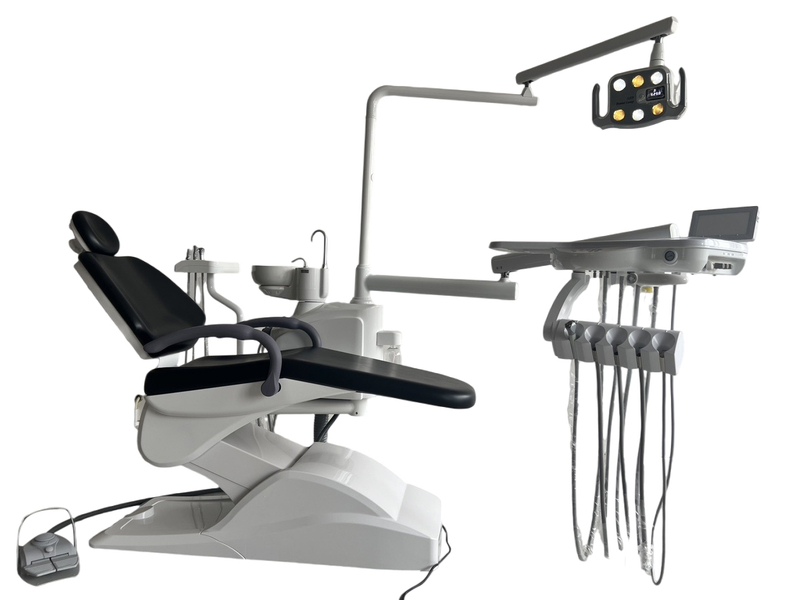
When selecting dental equipment, it’s crucial to assess the specific services your practice offers. Understanding your practice's focus—whether it’s general dentistry, orthodontics, or cosmetic procedures—will guide your equipment choices.
Next, consider your patient demographic. Are you primarily treating children, adults, or patients with special needs? Each group may require different types of equipment to ensure comfort and effectiveness. Additionally, evaluating the volume of patients and the types of procedures performed will help determine the necessary equipment capacity. For instance, practices with a high patient turnover might need more durable and efficient tools.
Investing in high-quality dental equipment is essential for long-term success. High-quality tools not only enhance patient care but also reduce the frequency of repairs and replacements. To assess the reliability of dental equipment brands, look for reviews and testimonials from other practitioners.
Warranties and service agreements play a significant role in your decision-making process. A robust warranty can provide peace of mind, ensuring that you are covered for any defects or issues that may arise. Consider brands that offer comprehensive service agreements for regular maintenance and support.
Compliance with relevant regulations is non-negotiable when choosing dental equipment. Familiarize yourself with the standards set by organizations like the FDA and OSHA, which ensure that equipment meets safety and infection control requirements.
Choosing equipment that adheres to these standards not only protects your patients but also enhances your practice’s reputation. It’s important to verify that your chosen equipment complies with local regulations and industry best practices.
Ensuring compatibility with existing systems is vital. For example, if you use digital imaging tools, the new equipment should seamlessly integrate into your workflow. This compatibility reduces the learning curve for your staff and enhances overall efficiency.
Evaluating integration capabilities with practice management software is also important. Many modern dental practices utilize software to manage appointments, patient records, and billing. Selecting equipment that can easily sync with these systems will facilitate smoother operations and improve patient care.
Factor | Considerations |
Assessing Practice Needs | Services offered, patient demographics, patient volume |
Quality and Reliability | Brand reputation, warranty options, service agreements |
Compliance and Safety | FDA and OSHA regulations, infection control standards |
Compatibility and Integration | Compatibility with existing systems, software integration |
By focusing on these key factors, you can make informed decisions when choosing dental equipment. This approach not only enhances your practice’s efficiency but also ensures that you provide the best possible care to your patients.
When it comes to dental equipment, understanding the full scope of costs is essential. The initial purchase price is just the beginning. You also need to factor in ongoing maintenance expenses and the cost of supplies. For example, some equipment may require specialized maintenance or replacement parts, which can add up over time.
Financing options are available for many practices. You might consider leasing equipment instead of buying it outright. Leasing can lower upfront costs and allow for more flexibility, especially if you plan to upgrade your equipment regularly. However, buying can be a better long-term investment if you choose high-quality tools that will last for years.
Cost Component | Description |
Initial Purchase | One-time expense for acquiring the equipment |
Maintenance | Regular servicing and repairs |
Supplies | Consumables needed for operation (e.g., tools, materials) |
Evaluating the long-term value of dental equipment is crucial. While some tools may have a lower purchase price, they might not offer the same durability or efficiency as higher-end models. It’s important to consider the total cost of ownership, which includes not only the purchase price but also maintenance, repairs, and operational costs over time.
For instance, investing in a high-quality dental chair may seem expensive initially, but if it lasts longer and requires fewer repairs, it can save you money in the long run. We should also take into account the impact on patient care; better equipment can lead to improved treatment outcomes, which enhances your practice's reputation.
Evaluation Criteria | Considerations |
Purchase Price | Initial expense vs. long-term investment |
Durability | Expected lifespan and reliability |
Operational Costs | Maintenance, repairs, and supplies over time |
Patient Care Impact | Quality of treatment and patient satisfaction |
By carefully assessing these budget considerations, you can make informed decisions that align with your practice's financial goals while ensuring you have the right dental equipment to provide excellent care.
When selecting dental equipment, researching brands is a critical step. Start by looking at the reputation of various manufacturers in the dental industry. Reliable brands often have a long-standing history of quality and innovation. You can find valuable information through industry publications, dental trade shows, and manufacturer websites.
Reading customer reviews and testimonials is equally important. These insights can reveal how well the equipment performs in real-world settings. Look for feedback on durability, ease of use, and customer service experiences. Websites like DentalTown and other dental forums often feature discussions where practitioners share their experiences with specific brands.
Research Method | Description |
Manufacturer Websites | Check for product details and company history |
Industry Publications | Read articles and reviews in dental journals |
Customer Reviews | Gather insights from users on performance |
Networking with other dental professionals can provide invaluable recommendations. Engaging with peers allows you to tap into their experiences and insights regarding different brands. Many practitioners are willing to share their successes and challenges, helping you make a more informed choice.
Utilizing online forums and professional networks is another effective strategy. Platforms like LinkedIn or dental-specific forums can connect you with experienced professionals who can offer advice on reliable brands. Participating in discussions can also keep you updated on the latest trends and innovations in dental equipment.
Networking Method | Benefits |
Peer Recommendations | Gain insights from experienced colleagues |
Online Forums | Access a wealth of shared knowledge and experiences |
Professional Networks | Stay informed about industry trends and updates |
By thoroughly researching and comparing brands, you can ensure that you select dental equipment that meets your practice's needs while providing the best possible care for your patients.
Before making a final decision on dental equipment, requesting demonstrations is crucial. Many manufacturers offer trial periods where you can test the equipment in your practice. This hands-on experience allows you to evaluate whether it meets your needs and fits well within your workflow.
During these trials, assess the equipment’s performance closely. Pay attention to factors like ease of use, functionality, and how well it integrates with your existing systems. Take notes on any challenges you encounter, as this feedback will be valuable when making your final decision. Additionally, consider seeking input from your team; their perspectives can provide a more comprehensive view of the equipment's practical applications.
Assessment Criteria | What to Look For |
Ease of Use | Is it user-friendly for you and your staff? |
Performance | Does it meet the required specifications? |
Integration | How well does it work with current systems? |
Once you've evaluated the equipment and are ready to proceed, there are several steps to take before finalizing your purchase. First, confirm the specifications and features you need to ensure the equipment aligns with your practice's requirements. Double-check that any necessary accessories or supplies are included in the purchase.
Understanding return policies is essential. In case the equipment doesn’t meet your expectations after purchase, knowing the terms for returns or exchanges can save you from potential headaches. Furthermore, inquire about after-sales support. Reliable manufacturers should offer training for your staff and ongoing technical support to address any issues that may arise.
Final Steps | Considerations |
Confirm Specifications | Make sure it includes all necessary features |
Review Return Policies | Know your options if it doesn’t meet your needs |
After-Sales Support | Ensure training and technical assistance are available |
By carefully navigating the trial and purchase process, you can make informed decisions that enhance your practice's efficiency and patient care.
After acquiring new dental equipment, one of the most critical steps is ensuring your staff is properly trained. Effective training helps your team understand how to use the equipment efficiently and safely. Many manufacturers offer training sessions, either in-person or online, to help your staff get acquainted with the new technology. It's essential to take advantage of these resources to maximize the benefits of your investment.
In addition to initial training, ongoing support is vital. Having access to troubleshooting resources can save time and reduce frustration when issues arise. Many manufacturers provide online portals with FAQs, video tutorials, and customer service hotlines. These resources can be invaluable for maintaining smooth operations in your practice.
Training Resources | Benefits |
Manufacturer Training | Ensures proper use and safety |
Online Tutorials | Offers flexible learning options |
Customer Support | Provides assistance for troubleshooting |
Regular maintenance is essential for keeping your dental equipment in optimal condition. Establishing a routine maintenance schedule helps prevent unexpected breakdowns and extends the life of your equipment. Common practices include cleaning, calibrating, and checking for wear and tear.
Following the manufacturer's guidelines is crucial for longevity. Each piece of equipment comes with specific maintenance recommendations, including how often to perform checks and what cleaning solutions to use. Adhering to these guidelines not only ensures the equipment functions correctly but also protects your investment over time.
Maintenance Practices | Frequency |
Routine Cleaning | Daily or after each use |
Calibration Checks | Monthly or as recommended by the manufacturer |
Wear and Tear Inspections | Quarterly to identify potential issues |
By focusing on training and maintenance, you can ensure that your dental equipment continues to perform effectively, ultimately enhancing the quality of care you provide to your patients.
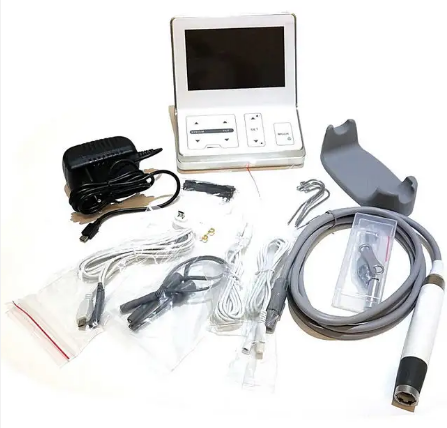
When choosing core dental treatment equipment, certain items are absolutely essential for any practice. Dental chairs and handpieces are at the top of the list. A quality dental chair not only enhances patient comfort but also supports the dentist's workflow. For instance, models like the SCS350 and SCS180 dental chairs are popular choices.
The SCS350 chair offers advanced ergonomic features, adjustable height, and multiple reclining positions, making it ideal for long procedures. On the other hand, the SCS180 is known for its compact design and durability, perfect for smaller practices without sacrificing functionality. Both models come equipped with easy-to-clean upholstery and integrated controls for seamless operation.
Equipment | Key Features |
SCS350 Dental Chair | Ergonomic design, multiple positions, easy controls |
SCS180 Dental Chair | Compact, durable, user-friendly |
Handpieces | Lightweight, high-speed options available |
Selecting the right dental materials is crucial for effective treatments. Products like UltraFil Flow and UltraFil posterior composite resin offer excellent options for fillings and repairs. UltraFil Flow is known for its superior flow characteristics, allowing for easy application in hard-to-reach areas. This material is particularly beneficial for small cavities and when precision is required.
In contrast, UltraFil posterior composite resin provides excellent strength and aesthetics, making it suitable for posterior restorations. When choosing materials, consider the specific needs of your patients and the treatment scenarios. Factors such as durability, aesthetic matching, and ease of use should guide your selection process.
Material | Best Use |
UltraFil Flow | Small cavities, precision filling |
UltraFil Composite Resin | Posterior restorations, strength and aesthetics |
Quality auxiliary instruments and consumables are vital for efficient dental practice. Items like dental mirrors, suction devices, and sterilization tools should not be overlooked. Investing in high-quality instruments ensures better performance and enhances the overall treatment experience.
For example, a reliable dental mirror enables accurate visibility during procedures, while effective suction devices help maintain a clear field. Additionally, proper sterilization tools are essential for infection control, ensuring patient safety. Prioritizing quality in these areas can significantly impact your practice's efficiency and patient satisfaction.
Auxiliary Instruments | Importance |
Enhance visibility during procedures | |
Suction Devices | Maintain a clear working area |
Sterilization Tools | Ensure infection control and patient safety |
In summary, choosing the right dental equipment is essential. We discussed core treatment tools, repair materials, and auxiliary instruments. Investing time and resources in this process is crucial for success. The right equipment not only improves patient care but also enhances the overall efficiency of your practice. Prioritizing quality will lead to better outcomes for both patients and dental professionals.


