
Home
Home | Dental Equipment | About | Solutions | Service | News | Contact Us
- All
- Product Name
- Product Keyword
- Product Model
- Product Summary
- Product Description
- Multi Field Search
 English
 Views: 0 Author: Site Editor Publish Time: 2025-11-14 Origin: Site


Are you considering starting a dental clinic? Understanding the essential equipment is crucial for success. Quality clinic equipment directly impacts patient care and clinic efficiency.
In this guide, you'll learn about the must-have dental equipment and their costs. We’ll provide a comprehensive list to help you make informed decisions for your practice.
Dental clinic equipment refers to the tools and devices used in dental practices to provide care and treatment to patients. This equipment can be categorized into several types based on its function and purpose. Key categories include:
● Diagnostic Equipment: Instruments for examining and diagnosing dental issues, such as X-ray machines and digital scanners.
● Treatment Equipment: Tools used during procedures, including dental chairs, operatory lights, and dental units.
● Sterilization Equipment: Devices like autoclaves that ensure tools are properly sterilized to maintain patient safety.
Dental clinics come in various forms, each specializing in different aspects of oral health. Here are the main types:
1. General Practice Clinics: These clinics provide a wide range of dental services, including routine check-ups, cleanings, and basic restorative procedures. They cater to patients of all ages and handle various dental issues.
2. Specialty Clinics: These focus on specific areas of dentistry. Some examples include:
a. Orthodontics: Clinics that specialize in correcting teeth and jaw alignment, often using braces or aligners.
b. Periodontics: Focused on treating gum diseases and conditions related to supporting structures of the teeth.
Type of Clinic | Services Offered |
General Practice | Routine exams, cleanings, fillings, crowns |
Orthodontics | Braces, aligners, jaw alignment |
Periodontics | Gum disease treatment, periodontal surgery |
Understanding the different types of dental clinics and their specific equipment needs is crucial for anyone looking to establish or upgrade a dental practice. Each type requires specialized tools to effectively serve its patients, highlighting the importance of selecting the right clinic equipment tailored to the clinic's focus.
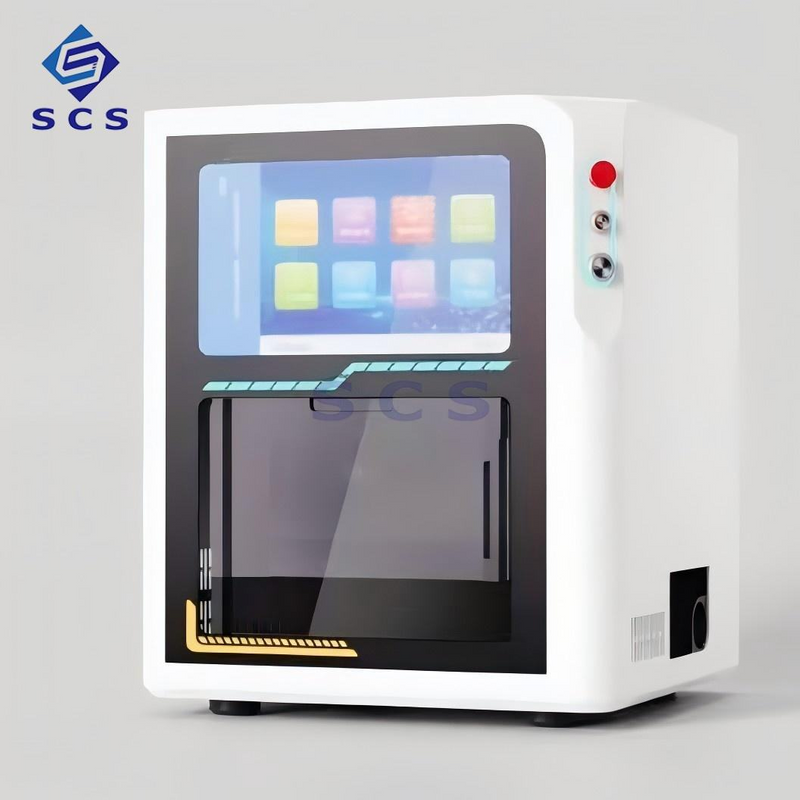
Dental chairs are fundamental in any clinic. They provide comfort and support for patients during procedures. Modern chairs feature ergonomics and adjustability, allowing for optimal positioning of both the patient and the dentist.
When it comes to cost, dental chairs vary significantly. For example, the SCS350 model might range from $3,000 to $5,000, while the more basic SCS180 could be found for around $1,500 to $2,500. Investing in a quality chair can enhance patient experience and improve treatment efficiency.
Operatory lights play a crucial role in dental treatment. They illuminate the treatment area, ensuring that dentists can see clearly while working. There are different types of operatory lights, including LED and halogen, each offering unique benefits.
The average cost for operatory lights is between $500 and $2,000. Features to consider include brightness adjustment, color temperature, and ease of positioning, all of which contribute to a better working environment.
Integrated dental units combine various tools and equipment into one system. They typically include handpieces, suction, and water supply, streamlining the treatment process.
Costs for these units can range from $5,000 to $20,000, depending on the complexity and features. Popular models often include advanced technology for improved patient care and efficiency.
Dental imaging equipment is essential for diagnostics and treatment planning. Intraoral X-ray machines provide detailed images of individual teeth, while panoramic machines capture a broader view of the entire mouth.
The cost of X-ray machines varies widely. Intraoral machines can range from $5,000 to $15,000, while panoramic systems may cost between $15,000 and $30,000. The investment in quality imaging equipment is crucial for accurate diagnosis and effective treatment planning.
In performing root canals, specialized devices like the C-SMART-1 Pro are invaluable. These tools enhance precision and efficiency in treatment, making them essential for modern dental practices.
Costs for such specialized equipment can start around $1,000, depending on features and technology. Investing in reliable devices can significantly improve treatment outcomes.
Orthodontic practices require specific tools to provide effective treatments. Essential equipment includes brackets, wires, and aligners. Each tool plays a critical role in correcting dental alignment.
Starting an orthodontic practice can involve substantial costs, often ranging from $10,000 to $50,000 for necessary equipment. Understanding these costs helps in planning and budgeting effectively.
Sterilization is vital in dental practices to ensure patient safety. Autoclaves are used to sterilize instruments, eliminating harmful bacteria and viruses.
The cost of autoclaves typically ranges from $2,000 to $10,000, depending on the model and capacity. Regular maintenance is essential to ensure they function effectively over time.
Maintaining a clean environment is crucial for any dental clinic. Necessary cleaning supplies include surface disinfectants, hand sanitizers, and instrument cleaners.
Costs for these supplies can vary, but clinics should budget around $300 to $1,000 annually. Proper cleaning protocols help prevent infections and ensure a safe space for both staff and patients.
Restorative materials are essential for repairing damaged teeth. Common types include composites, which are used for fillings, and cements, which help secure crowns and bridges. Composites are favored for their aesthetic appeal, blending well with natural teeth.
When considering costs, the price of restorative materials can vary. For instance, a composite filling may range from $50 to $250, depending on the size and location of the filling. Cements can cost between $20 and $100 per unit. Budgeting for these materials is crucial for any dental practice, as they are frequently used in daily operations.
Orthodontic supplies are vital for practices specializing in teeth alignment. Key items include elastics, wires, and brackets. Elastics help in adjusting teeth positions, while wires and brackets play a significant role in the overall treatment process.
Annual costs for these supplies can vary based on clinic size and patient volume. For a small clinic, the estimated annual expense for orthodontic supplies might range from $2,000 to $5,000, while larger practices could see costs rise to $10,000 or more. Keeping track of these expenses helps in managing clinic budgets effectively.
Preventive materials are crucial for maintaining oral health. Products like sealants and fluoride treatments help protect teeth from decay. Sealants, applied to the chewing surfaces of molars, create a barrier against bacteria.
Regular purchases of preventive supplies can add up. Clinics should anticipate spending around $500 to $1,500 annually on these materials, depending on the number of patients and the frequency of treatments. Investing in preventive care not only benefits patients but also enhances the clinic's reputation.
Diagnostic tools are fundamental in assessing oral health. Essential instruments include mirrors, explorers, and probes. Mirrors allow dentists to see hard-to-reach areas, while explorers help detect cavities and irregularities.
The cost range for basic examination tools typically falls between $100 and $500, depending on the quality and brand. Investing in reliable diagnostic instruments ensures accurate assessments and effective treatment planning.
Digital scanning technology has revolutionized modern dentistry. These scanners provide precise images of patients' teeth and gums, improving the accuracy of diagnoses and treatment plans. They also enhance patient comfort by reducing the need for traditional impression materials.
However, the cost implications of investing in digital scanning equipment can be significant. Prices for high-quality digital scanners can range from $15,000 to $30,000. While this is a considerable investment, the benefits in efficiency and patient satisfaction can make it worthwhile for many practices.
Starting a dental clinic involves significant initial investment. The costs can be broken down into essential equipment, which includes both core and specialized tools. Core equipment typically encompasses dental chairs, operatory lights, and X-ray machines. For example, a dental chair can range from $1,500 to $5,000, while an X-ray machine might cost between $5,000 and $30,000.
Equipment Type | Estimated Cost Range |
Dental Chairs | $1,500 - $5,000 |
Operatory Lights | $500 - $2,000 |
X-ray Machines | $5,000 - $30,000 |
Dental Units | $5,000 - $20,000 |
Specialized equipment, like digital scanners and orthodontic tools, can also add to the setup costs. Digital scanners, for instance, often range from $15,000 to $30,000. Factors affecting these costs include brand reputation, quality, and technological advancements. Investing in high-quality equipment may lead to better patient outcomes and improved clinic efficiency.
Once the clinic is established, ongoing costs become a crucial aspect of financial planning. Maintenance and repair costs are essential for ensuring that equipment remains in good working condition. Regular maintenance not only extends the life of the equipment but also prevents costly repairs down the line. Clinics should budget about 5-10% of the initial equipment cost annually for maintenance.
Consumables and supplies, which include everything from dental materials to sterilization products, also contribute to ongoing expenses. The estimated annual cost for consumables can vary widely based on clinic size. A small clinic might spend around $5,000 to $10,000 per year, while larger practices could see expenses rise to $20,000 or more.
Expense Type | Estimated Annual Cost |
Maintenance & Repairs | 5-10% of initial costs |
Consumables (Small Clinic) | $5,000 - $10,000 |
Consumables (Large Clinic) | $20,000+ |
Understanding these costs helps in creating a comprehensive budget for the dental clinic. By planning for both initial and ongoing expenses, clinic owners can make informed decisions that support long-term success.
When setting up a dental clinic, understanding the cost of essential equipment is critical. Here’s a breakdown of common dental equipment along with their estimated cost ranges. This information serves as a valuable reference for new clinic owners and helps in budgeting effectively.
1. Comprehensive Treatment Unit
A comprehensive treatment unit is a cornerstone of any dental practice. For models like SCS180 and SCS350, the cost typically ranges from 45,000 to 60,000 RMB. These units come equipped with multiple features, enhancing efficiency and patient comfort during procedures.
2. Root Canal Treatment Device
Efficient root canal treatment is vital for patient care. The estimated cost for devices such as the C-SMART-1 Pro falls between 8,000 and 15,000 RMB. Investing in reliable equipment can significantly improve treatment outcomes and patient satisfaction.
3. X-ray System
An X-ray system is essential for accurate diagnostics. For intraoral cameras, prices generally range from 3,000 to 8,000 RMB. These systems help dentists visualize issues that may not be apparent during a physical examination, allowing for better treatment planning.
4. Sterilization Equipment
Maintaining a sterile environment is crucial in dental practices. High-temperature sterilizers typically range from 12,000 to 25,000 RMB. Regular use of sterilization equipment ensures compliance with health regulations and enhances patient safety.
Equipment Type | Estimated Cost Range (RMB) |
Comprehensive Treatment Unit | 45,000 - 60,000 |
Root Canal Treatment Device | 8,000 - 15,000 |
X-ray System (Intraoral Camera) | 3,000 - 8,000 |
Sterilization Equipment | 12,000 - 25,000 |
Understanding these cost ranges allows dental professionals to make informed decisions when purchasing equipment. Each piece of equipment plays a vital role in delivering quality dental care, and budgeting appropriately ensures that clinics remain financially viable while providing excellent service.
Purchasing dental equipment is a significant investment for any clinic. To make informed decisions, consider these essential tips that cover where to buy, what factors to evaluate, and how to negotiate costs effectively.
Finding the right suppliers is crucial for acquiring quality dental equipment. There are several avenues to explore:
● Suppliers and Distributors: Local suppliers often provide a range of equipment along with personalized service. They can offer insights into the best options for your specific needs.
● Manufacturers: Purchasing directly from manufacturers can sometimes yield better prices and warranties. It’s also an opportunity to learn about the latest technologies.
● Online Resources: Websites like Dental Planet and Henry Schein offer extensive catalogs of dental equipment. Online shopping can provide competitive pricing and customer reviews, helping you make informed choices.
When considering equipment purchases, several factors should weigh heavily in your decision-making process:
● Warranty and Service Agreements: A solid warranty can protect your investment. Look for equipment that comes with comprehensive warranties and service agreements, ensuring support for repairs and maintenance.
● Supplier Reputation: Research potential suppliers. Reading reviews and asking for recommendations from other dental professionals can help you gauge their reliability and service quality.
● Equipment Specifications: Ensure the equipment meets your clinic's specific needs. Consider factors like size, functionality, and compatibility with existing systems.
Negotiating the price of dental equipment can lead to significant savings. Here are some effective strategies:
● Do Your Research: Before entering negotiations, gather information on pricing from multiple suppliers. Knowing the average cost helps you understand what a fair price is.
● Ask About Discounts: Don’t hesitate to inquire about bulk purchase discounts or seasonal promotions. Many suppliers offer special deals that can lower your overall costs.
● Be Prepared to Walk Away: If the deal doesn’t meet your budget, be willing to explore other options. Sometimes, showing that you have alternatives can lead to better offers from suppliers.
Tips for Negotiation | Description |
Research Pricing | Know the market average |
Inquire About Discounts | Ask for bulk or seasonal promotions |
Be Prepared to Walk Away | Show willingness to consider other options |
By following these tips, you can navigate the purchasing process with confidence. Ensuring you choose the right equipment at the right price is essential for the success of your dental clinic.

When acquiring clinic equipment, several key factors must be taken into account to ensure the success and safety of your dental practice. Two primary areas of focus are compliance and certification, as well as quality assurance and after-sales support.
Ensuring that all dental equipment meets regulatory standards is essential. Here’s what to keep in mind:
● Medical Device Registration: All equipment should have the necessary medical device registration certificates. This certification guarantees that the equipment complies with safety and efficacy standards set by health authorities.
● Supplier Qualifications: Verifying the qualifications of suppliers is crucial. Look for suppliers who have certifications and a proven track record in the industry. This helps ensure you are purchasing from reputable sources.
Compliance Aspect | Importance |
Medical Device Registration | Ensures safety and efficacy |
Supplier Qualifications | Guarantees reliable sourcing |
Quality assurance is vital for maintaining high standards in your clinic. Consider the following:
● Warranty Coverage: Prefer brands that provide at least a one-year warranty. A solid warranty not only protects your investment but also reflects the manufacturer's confidence in their product.
● Consumable Parts List: Obtain a detailed list of consumable parts for the equipment. This helps you understand ongoing costs and ensures you can quickly replace necessary components as needed.
● After-Sales Response Times: Understanding the supplier's after-sales support and response times is important. Quick support can minimize downtime and enhance your clinic's operational efficiency.
Quality Assurance Considerations | Description |
Warranty Coverage | At least one year preferred |
Consumable Parts List | Helps manage ongoing costs |
After-Sales Response Times | Essential for minimizing downtime |
By prioritizing compliance, certification, and quality assurance, you can make more informed decisions when procuring dental equipment. This approach not only protects your investment but also contributes to the overall success of your clinic.
Proper dental clinic equipment is crucial for providing quality patient care. This article highlighted the importance of compliance, certification, and quality assurance.
We discussed how to choose reliable suppliers and negotiate costs effectively. Investing in quality equipment not only enhances your clinic's efficiency but also ensures patient safety.
Remember, the right dental equipment offers long-term benefits that can elevate your practice's success.
A: Essential equipment includes dental chairs, X-ray machines, and sterilization units.
A: Setting up a dental clinic can range from $100,000 to $500,000, depending on location and equipment.
A: Leading brands include A-dec, Sirona, and Planmeca, known for quality and reliability.
A: Dental equipment should be serviced at least once a year to ensure optimal performance.
A: Yes, but consider the equipment's condition, warranty, and compliance with regulations.


