
Home
Home | Dental Equipment | About | Solutions | Service | News | Contact Us
- All
- Product Name
- Product Keyword
- Product Model
- Product Summary
- Product Description
- Multi Field Search
 English
 Views: 0 Author: Site Editor Publish Time: 2025-11-14 Origin: Site


Choosing the right dental equipment can make or break a new clinic. It significantly impacts patient care and overall efficiency. With dental technology evolving rapidly, investing in reliable equipment is essential.
In this post, you’ll learn about the best dental equipment for new clinics in 2025 and how it can enhance your practice.
Starting a new dental clinic involves careful planning and consideration, especially when it comes to selecting the right dental equipment. Several key factors come into play, ensuring that your clinic meets both operational needs and patient expectations.
When choosing dental equipment, budget constraints are often the first hurdle. New clinics typically operate on tight budgets, so it’s crucial to prioritize essential items. Investing in high-quality equipment can lead to long-term savings by reducing maintenance costs and improving efficiency.
Space limitations in clinic design also affect equipment choices. A well-organized clinic layout maximizes workflow and enhances patient comfort. For instance, compact dental chairs and multifunctional units can save space while providing necessary features.
Compliance with regulatory standards is another critical aspect. Equipment must adhere to local health regulations and safety guidelines. This ensures not only legal compliance but also the safety of both patients and staff.
Understanding your patient demographic is vital for effective equipment selection. Different patient groups have unique needs. For instance, if your clinic caters to families, you may require equipment that accommodates children comfortably. Specialized treatments might necessitate specific tools to provide the best care.
Here’s a quick breakdown of how demographics influence equipment choices:
Patient Group | Equipment Considerations |
Families | Child-friendly chairs, playful decor |
Seniors | Ergonomic designs, accessibility features |
Specialized Treatments | Advanced diagnostic tools, specialized chairs |
New clinics must focus on three core needs: cost control, comprehensive functionality, and compliance with standards. Cost control is essential to maintain profitability, especially in the early stages. It’s wise to evaluate various suppliers and consider leasing options for high-cost items.
Comprehensive functionality is crucial. Equipment should serve multiple purposes to maximize utility. For example, a dental unit with integrated X-ray capabilities can streamline processes and reduce the need for additional devices.
Lastly, compliance with standards cannot be overlooked. Regular checks and certifications ensure that your equipment remains up to date with industry regulations. This not only protects your practice but also builds trust with your patients.
By carefully considering these factors, new dental clinics can set themselves up for success. Investing in the right dental equipment will enhance patient care, improve operational efficiency, and ultimately lead to a thriving practice.
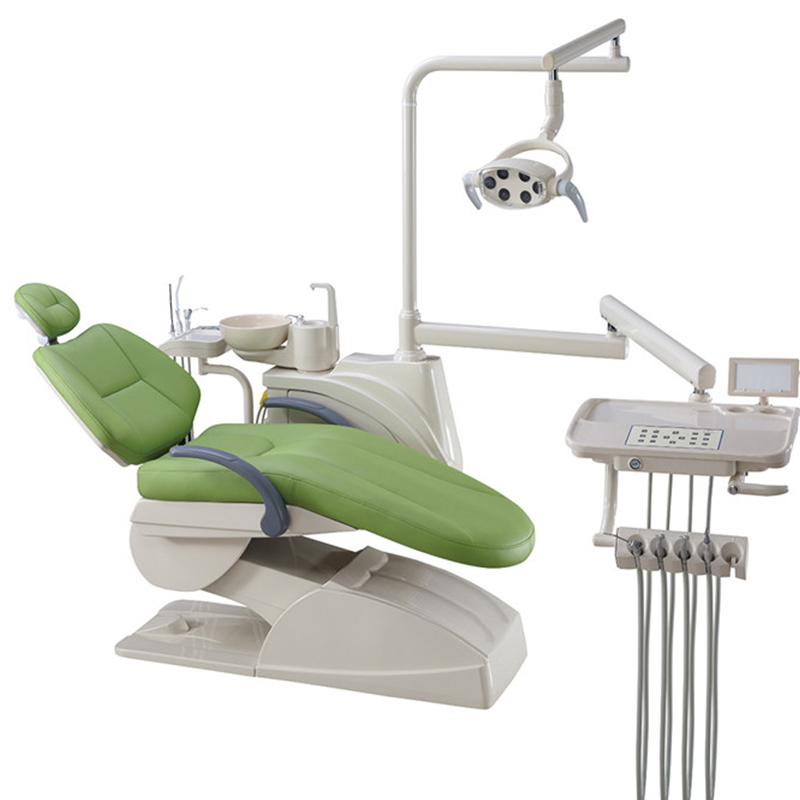
When setting up a new dental clinic, it’s vital to understand the essential categories of dental equipment. Each category plays a crucial role in providing quality patient care and ensuring smooth clinic operations.
Core treatment equipment forms the backbone of any dental practice. This includes essential tools like dental chairs, operatory lights, and delivery systems. A high-quality dental chair is not just about comfort; it also enhances accessibility for the dentist and staff.
Here’s a quick overview of some core treatment equipment:
Equipment Type | Purpose |
Provides patient comfort during procedures | |
Operatory Light | Illuminates the treatment area for precision |
Delivery System | Houses handpieces and instruments for easy access |
Investing in reliable core equipment ensures efficient workflows and improves the patient experience.
Auxiliary tools and consumables are equally important. These items support core treatments and include hand instruments, dental materials, and diagnostic tools. For example, hand instruments like explorers and scalers are essential for examinations and cleanings.
Consumables such as gloves, masks, and dental materials like composites and sealants are critical for daily operations. Here’s a list of common auxiliary tools:
● Hand Instruments: Explorers, mirrors, and scalers.
● Diagnostic Tools: X-ray machines and intraoral cameras.
● Dental Materials: Composites, bonding agents, and impression materials.
These tools ensure that the clinic can handle various procedures efficiently while maintaining high standards of care.
Infection control is a top priority in any dental clinic. Sterilization and infection control devices help maintain a safe environment for both patients and staff. Autoclaves, ultrasonic cleaners, and surface disinfectants are essential for ensuring that all instruments are properly sterilized.
Here’s how these devices contribute to clinic safety:
Device Type | Function |
Autoclave | Sterilizes instruments using high-pressure steam |
Ultrasonic Cleaner | Cleans instruments using sound waves |
Surface Disinfectant | Kills pathogens on surfaces to prevent infection |
Implementing effective sterilization practices not only complies with regulations but also builds trust with your patients.
By focusing on these essential categories of dental equipment, new clinics can create a well-rounded setup that enhances patient care and operational efficiency. Each category contributes to a comprehensive approach to dental practice, ensuring that the clinic is prepared for various challenges.
When setting up a new dental clinic, it’s vital to understand the essential categories of dental equipment. Each category plays a crucial role in providing quality patient care and ensuring smooth clinic operations.
Core treatment equipment forms the backbone of any dental practice. This includes essential tools like dental chairs, operatory lights, and delivery systems. A high-quality dental chair is not just about comfort; it also enhances accessibility for the dentist and staff.
Here’s a quick overview of some core treatment equipment:
Equipment Type | Purpose |
Dental Chair | Provides patient comfort during procedures |
Operatory Light | Illuminates the treatment area for precision |
Houses handpieces and instruments for easy access |
Investing in reliable core equipment ensures efficient workflows and improves the patient experience.
Auxiliary tools and consumables are equally important. These items support core treatments and include hand instruments, dental materials, and diagnostic tools. For example, hand instruments like explorers and scalers are essential for examinations and cleanings.
Consumables such as gloves, masks, and dental materials like composites and sealants are critical for daily operations. Here’s a list of common auxiliary tools:
● Hand Instruments: Explorers, mirrors, and scalers.
● Diagnostic Tools: X-ray machines and intraoral cameras.
● Dental Materials: Composites, bonding agents, and impression materials.
These tools ensure that the clinic can handle various procedures efficiently while maintaining high standards of care.
Infection control is a top priority in any dental clinic. Sterilization and infection control devices help maintain a safe environment for both patients and staff. Autoclaves, ultrasonic cleaners, and surface disinfectants are essential for ensuring that all instruments are properly sterilized.
Here’s how these devices contribute to clinic safety:
Device Type | Function |
Autoclave | Sterilizes instruments using high-pressure steam |
Ultrasonic Cleaner | Cleans instruments using sound waves |
Surface Disinfectant | Kills pathogens on surfaces to prevent infection |
Implementing effective sterilization practices not only complies with regulations but also builds trust with your patients.
By focusing on these essential categories of dental equipment, new clinics can create a well-rounded setup that enhances patient care and operational efficiency. Each category contributes to a comprehensive approach to dental practice, ensuring that the clinic is prepared for various challenges.
For new dental clinics, stocking the right auxiliary tools and consumables is essential for providing comprehensive care. This section covers key dental materials, orthodontic supplies, and diagnostic tools that every new practice should consider.
When it comes to dental materials, quality and versatility are paramount. New clinics should focus on a variety of composite resins to cater to different patient needs. One popular choice is the UltraFil series, known for its excellent handling and aesthetics.
Here’s a brief overview of composite resins:
Composite Resin | Key Features |
UltraFil Series | Easy to manipulate, excellent polishability |
Versatile Colors | Matches natural tooth shades |
High Strength | Durable for various restorations |
Investing in high-quality materials not only enhances the results of dental procedures but also builds patient trust. Versatile materials allow dentists to handle a range of treatments effectively, from fillings to cosmetic enhancements.
Orthodontic supplies are crucial for practices that offer braces and other corrective treatments. Essential items include braces, ligatures, and various appliances. For new clinics, stocking small packaging options is especially beneficial. This allows for trial use without a large initial investment.
Here are some recommended orthodontic supplies:
● Braces: Choose a variety of types, including metal and ceramic options.
● Ligatures: Stock different colors to appeal to younger patients.
● Trial Kits: Small packs of appliances can help in patient assessments and treatment planning.
By offering a range of orthodontic supplies, clinics can cater to diverse patient preferences and needs while managing costs effectively.
Effective patient assessments rely heavily on high-quality diagnostic tools. Among these, mirrors and other diagnostic equipment play a vital role. Clinics should prioritize dual-sided mirrors that meet sterilization standards. These tools not only improve visibility during examinations but also ensure compliance with hygiene protocols.
Here are some key diagnostic tools to consider:
Tool Type | Importance |
High-Quality Mirrors | Provides clear visibility for examinations |
Dual-Sided Options | Enhances functionality while maintaining hygiene |
Diagnostic Equipment | Includes probes and explorers for thorough assessments |
Investing in reliable diagnostic tools allows for accurate assessments and better treatment planning, ultimately leading to improved patient outcomes. By stocking these essential auxiliary tools and consumables, new clinics can ensure they are well-prepared to meet the diverse needs of their patients.
Infection control is a top priority in dental practices, as it ensures the safety of both patients and staff. This section delves into the importance of infection control, the necessary sterilization equipment, and essential tools to maintain a safe environment in new clinics.
Infection control is vital in dental settings due to the inherent risks associated with various procedures. Patients can be exposed to bloodborne pathogens and other infectious agents during treatments. Compliance with infection control standards not only protects patients but also safeguards dental professionals.
Here’s a quick overview of common risks and compliance requirements:
Common Risks | Compliance Requirements |
Bloodborne pathogens | Adherence to OSHA guidelines |
Cross-contamination | Regular training on infection control practices |
Inadequate sterilization | Use of approved sterilization methods |
By understanding these risks, new clinics can implement effective protocols to minimize them, fostering a safe practice environment.
Investing in high-quality sterilization equipment is essential for any new dental clinic. Autoclaves and sterilizers are fundamental tools for ensuring that all instruments are properly disinfected.
Here are some recommendations for essential sterilization equipment:
● Autoclaves: Look for models that meet high-pressure sterilization standards. They should be capable of reaching the necessary temperatures to eliminate all forms of microbial life.
● Chemical Sterilizers: Useful for items that cannot withstand high heat, these should comply with safety regulations.
● Monitoring Equipment: Incorporate biological indicators to regularly check the effectiveness of sterilization processes.
By selecting reliable sterilization equipment, clinics can ensure that their tools are safe for patient use, which is crucial for maintaining trust and compliance.
In addition to sterilization equipment, various infection control tools are necessary for ensuring safety in dental practices. Disposable items and high-quality sterilization tools play a key role in infection prevention.
Here’s a list of essential infection control tools:
Tool Type | Importance |
Disposable Gloves | Prevents cross-contamination during procedures |
High-Quality Sterilization Tools | Ensures instruments are safe and effective |
Surface Disinfectants | Keeps work areas free from pathogens |
Additionally, using products that comply with infection control standards is crucial. This includes disinfectants, sterilization pouches, and barriers that protect both patients and staff. By equipping new clinics with the right infection control and sterilization equipment, practices can significantly reduce the risk of infections, promoting a healthier environment for everyone involved.
As we look toward 2025, several emerging trends in dental equipment are reshaping the landscape of dental practices. These trends are driven by advancements in technology, a focus on patient experience, and the increasing importance of efficiency in treatment processes.
One of the most significant trends is the rise of digital dentistry. This shift is transforming how dental professionals select their equipment. Digital tools are not just a passing phase; they are becoming essential for modern practices. The integration of digital scanning tools, for instance, enhances workflow efficiency and improves diagnostic accuracy.
Here’s a brief overview of how digital tools are changing equipment choices:
Trend | Impact on Equipment Choices |
Digital Dentistry | Increased demand for CAD/CAM systems |
Enhanced Imaging | Need for advanced digital radiography tools |
Workflow Efficiency | Preference for integrated software solutions |
By adopting these digital innovations, clinics can streamline their operations and provide better care.
Technology is significantly shaping the future of dental practices, particularly through the use of digital scanners and CAD/CAM systems. These systems allow for precise measurements and designs, which lead to better fitting restorations and reduced chair time for patients.
Consider the following key features of digital scanners and CAD/CAM systems:
● Precision: Digital scanners capture detailed images, ensuring accuracy in restorations.
● Speed: CAD/CAM technology allows for same-day restorations, enhancing patient satisfaction.
● Integration: Many systems integrate seamlessly with practice management software, improving overall efficiency.
This technological evolution not only benefits dental professionals but also enhances the patient experience by making procedures quicker and more comfortable.
Patient experience plays a crucial role in equipment selection. Modern dental equipment is designed not only for functionality but also for comfort. For example, quieter handpieces and ergonomic chairs can significantly reduce anxiety during visits.
Here are some ways that equipment can enhance patient comfort:
Equipment Type | Benefits |
Ergonomic Chairs | Provides better support and comfort |
Quiet Handpieces | Reduces noise, lowering patient anxiety |
Digital Imaging Tools | Minimizes discomfort during X-rays |
Moreover, equipment that improves patient acceptance is especially important for children. Fun, colorful designs and interactive features can make dental visits less intimidating. By prioritizing patient comfort and experience, new clinics can foster a welcoming environment, encouraging patients to return for future care.
These trends indicate a shift toward a more patient-centered approach in dentistry, where technology and comfort go hand in hand. As 2025 approaches, embracing these changes will be crucial for new clinics aiming to thrive in a competitive market.
When starting a new dental clinic, effective budgeting for dental equipment is crucial. It ensures that you acquire the necessary tools without overspending. Here’s how new clinics can navigate this process successfully.
New clinics should begin by creating a comprehensive list of essential equipment. Prioritizing these purchases is vital to managing costs effectively. Start by identifying the must-have items for your practice, such as dental chairs, X-ray machines, and sterilization units.
1. Assess Your Services: Determine what services you plan to offer. This will guide your equipment needs.
2. Consult Industry Standards: Research what equipment is standard in similar practices.
3. Create a Timeline: Establish a timeline for when you need each piece of equipment. This helps spread out costs.
Additionally, considering local brands can lead to better pricing. Local manufacturers often provide competitive prices and can offer personalized service, making it easier to address issues as they arise.
Financing is a key consideration when budgeting for dental equipment. New clinics have several options to explore. Understanding the differences between leasing and purchasing can help you make informed decisions.
Financing Option | Description | Pros | Cons |
Leasing | Renting equipment for a specified period | Lower upfront costs, flexibility | No ownership, potential long-term costs |
Purchasing | Buying equipment outright | Full ownership, no ongoing payments | Higher initial investment |
Leasing may be beneficial for clinics looking to conserve cash flow, while purchasing can be ideal for those wanting long-term investment in their equipment.
To maximize your budget, finding the best deals is essential. Local suppliers often provide competitive pricing, so building relationships with them can be advantageous. They may offer discounts or package deals for multiple purchases.
1. Research Market Prices: Know the average costs of equipment to negotiate effectively.
2. Ask for Discounts: Don’t hesitate to inquire about promotions or bulk purchase discounts.
3. Build Relationships: Establishing rapport with manufacturers can lead to better pricing and support.
Online resources also play a significant role in finding good deals. Websites dedicated to dental equipment often feature sales, reviews, and comparisons to help you make informed choices. By employing these strategies, new clinics can ensure they stay within budget while acquiring the necessary dental equipment to succeed.
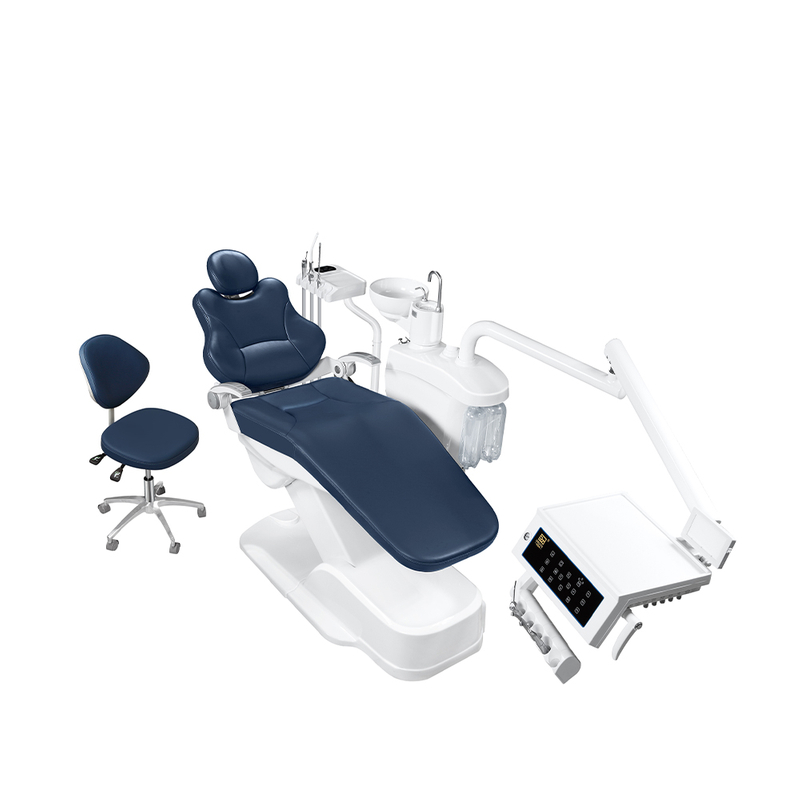
When establishing a new dental clinic, understanding compliance and regulations surrounding dental equipment is essential. These regulations ensure patient safety and the quality of care provided. Here’s a closer look at the key aspects that new clinics should consider.
New clinics must navigate various regulations that govern the use of dental equipment. These include both local and national standards designed to ensure safety and efficacy.
Regulatory bodies, such as the Food and Drug Administration (FDA) in the United States, set forth guidelines that dental equipment must meet. Local health departments may also impose additional requirements. Here are some key points to remember:
● FDA Regulations: All dental equipment must be FDA-approved, ensuring it meets safety and effectiveness criteria.
● State Regulations: Each state may have specific licensing and operational requirements for dental practices.
● Local Health Codes: Local jurisdictions often have health codes that dictate sanitation and equipment maintenance standards.
Understanding these layers of regulations helps clinics stay compliant and avoid potential legal issues.
To comply with these regulations, clinics need to take proactive steps. Here’s how they can ensure their equipment meets the necessary standards:
1. Conduct Regular Inspections: Schedule routine inspections to verify that all equipment functions correctly and safely.
2. Stay Updated on Regulations: Regularly review changes in local and national regulations to remain compliant.
3. Implement Quality Control Procedures: Establish protocols for equipment maintenance and calibration to ensure consistent performance.
Certifications play a crucial role in compliance. Equipment should come with proper certifications indicating it meets regulatory standards. Documentation is equally important; keeping records of inspections, maintenance, and certifications helps demonstrate compliance during audits.
Regulatory standards categorize medical devices, including dental equipment, based on risk levels. Understanding these categories can help clinics make informed purchasing decisions. Here’s a brief overview:
Management Category | Description | Examples of Dental Equipment |
Class I | Low risk, general controls apply | Manual dental instruments |
Class II | Moderate risk, requires FDA clearance | X-ray machines, dental chairs |
Class III | High risk, requires premarket approval | Implantable devices, certain lasers |
By knowing these categories, clinics can ensure they acquire equipment that meets the necessary safety and regulatory standards. This understanding not only protects patients but also enhances the clinic’s reputation and operational success.
Selecting the right dental equipment is crucial for new clinics. It impacts patient care and operational efficiency.
Future-proofing your clinic with quality equipment ensures long-term success.
We encourage readers to assess their specific needs and plan purchases wisely. Make informed decisions to build a thriving practice.
A: Essential equipment includes dental chairs, X-ray machines, sterilization units, and handpieces.
A: New clinics typically spend between $100,000 to $500,000 on equipment, depending on services offered.
A: Reliable suppliers can be found through industry trade shows, online directories, and local dental associations.
A: Top brands include A-dec, Pelton & Crane, and Midmark, known for their quality and comfort.
A: Equipment should be serviced annually, while replacement depends on usage and manufacturer recommendations.


