
Home
Home | Dental Equipment | About | Solutions | Service | News | Contact Us
- All
- Product Name
- Product Keyword
- Product Model
- Product Summary
- Product Description
- Multi Field Search
 English
 Views: 0 Author: Site Editor Publish Time: 2025-12-17 Origin: Site


Tooth extraction is a routine dental procedure, yet many patients find it intimidating. Understanding the tools used during the process can help alleviate concerns. One of the key instruments in any extraction is the extraction forceps, essential for both simple and surgical extractions. In this article, we’ll explore the different types of extraction forceps, their uses, and how they improve the efficiency of extractions. You’ll also learn why selecting the right tool for each tooth is crucial for both patient comfort and procedural success.
Tooth extractions are an essential part of dental care, and the tools and procedures used vary depending on whether the extraction is simple or surgical. The following table compares Simple Extractions and Surgical Extractions based on several factors such as procedure complexity, tools used, healing time, and post-extraction care.
| Aspect | Procedure Complexity | Tooth Accessibility | Incisions | Main Tool Used | Secondary Tools | Scalpel Use | Bone Removal | Tools for Loosening Tooth | Duration of Procedure | Anesthesia | Healing Time | Post-Extraction Care |
|---|---|---|---|---|---|---|---|---|---|---|---|---|
| Simple Extractions | Less complex, quick, and straightforward. | Tooth is visible and easily accessible above the gum line. | No incisions needed unless there is soft tissue interference. | Extraction forceps to grip and remove the tooth. | Elevators to loosen the tooth before removal. | Only used if small incisions are necessary for access. | Typically no bone removal. | Elevators are used to loosen the tooth from its socket. | Generally quicker, usually completed within 20-30 minutes. | Local anesthesia to numb the area around the tooth. | Typically faster, as there's less trauma to surrounding tissue. | Minimal care, often just gauze and basic pain management. |
| Surgical Extractions | More complex, requires incisions and possible bone removal. | Tooth is impacted or broken, requiring deeper access. | Incisions in the gum are often required. | Extraction forceps used after loosening the tooth. | Elevators to loosen the tooth, bone chisels to remove bone. | Scalpels used to make precise incisions in the gum tissue. | Bone chisels and surgical rongeurs may be used to remove bone around the tooth. | Elevators are used, sometimes followed by more invasive tools like bone chisels. | Longer procedure, can take more than 30 minutes depending on complexity. | Local anesthesia or sedation may be used for more comfort. | Longer recovery time due to the complexity and tissue damage. | May require stitches, bone smoothing, and extended care for healing. |
Extraction forceps are essential tools used for tooth removal during both simple and surgical extractions. They are specifically designed to securely grip the crown of the tooth and apply controlled force to dislodge it from the socket, ensuring minimal trauma to the surrounding tissues. Types of Extraction Forceps:
Maxillary Forceps: These forceps are designed for upper teeth, with curved beaks that fit around the contours of molars and premolars. The curved design allows for a secure grip, ensuring that the forceps can apply pressure efficiently to loosen and remove the tooth. Maxillary forceps are essential for extracting upper teeth, which often have broader, more curved root structures.
Mandibular Forceps: Tailored for the lower jaw, mandibular forceps are shaped to accommodate the unique anatomy of lower molars. The angled design provides the necessary leverage for extracting teeth from the lower jaw, where the roots tend to be thicker and more difficult to remove.
Universal Forceps: Designed to handle a variety of teeth, universal forceps offer flexibility for different extraction situations. These forceps are ideal for extracting incisors, canines, and premolars, providing dentists with an all-purpose tool that can be used across both upper and lower teeth.
Dental elevators are small, lever-like instruments used to loosen teeth before extraction. Available in various shapes and sizes, including straight, angled, and luxating types, they play a critical role in preparing the tooth for removal. By applying pressure between the tooth and the surrounding bone, elevators create space and loosen the tooth from its periodontal ligament. This process makes the tooth easier to remove with extraction forceps, ensuring a smoother and less traumatic extraction.
For surgical extractions, bone chisels and scalpels are essential tools used to access teeth that are impacted or trapped beneath the gum line. Bone chisels are used to break through bone and remove tissue surrounding the tooth, providing better access during challenging extractions. Scalpels, on the other hand, are used to make precise incisions in the gum tissue to expose the tooth or bone, allowing the dentist to work more effectively and with minimal damage to surrounding areas.
After a tooth extraction, surgical curettes and surgical rongeurs are used to clean the socket and remove any remaining bone fragments. Surgical curettes are spoon-shaped tools designed to scrape away infected tissue or debris left behind, ensuring the socket is clean for optimal healing. Surgical rongeurs, on the other hand, are used to remove bone fragments and shape the bone, promoting proper healing and reducing complications. Both tools are essential for ensuring that the extraction site is fully cleaned and prepared for recovery.
When a tooth is fractured or part of the root remains, root tip picks are used to carefully remove any remaining root fragments from the socket. These instruments are crucial for ensuring that the entire tooth, including its roots, is completely removed. This prevents complications such as infection or incomplete extraction, which can lead to prolonged healing or further dental issues. Using root tip picks ensures a thorough extraction, promoting a clean socket and a smoother recovery process.
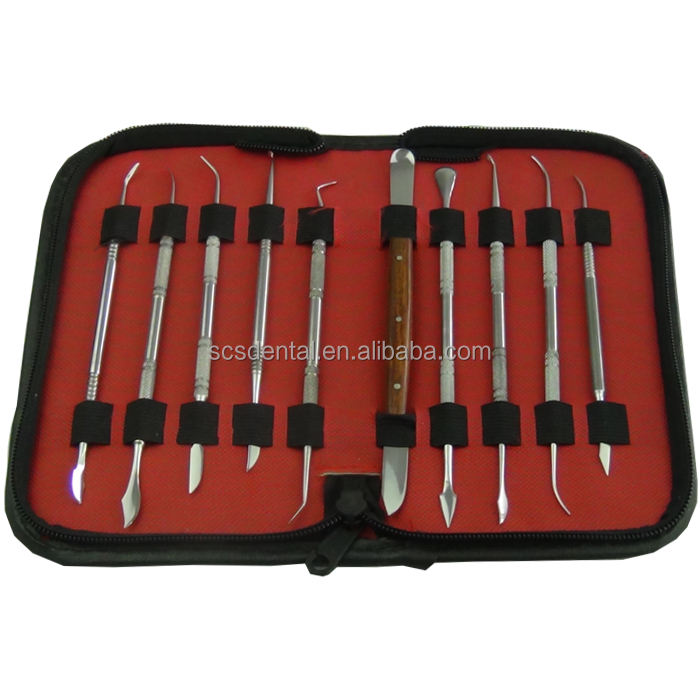
Using the right tools, particularly extraction forceps, helps reduce trauma to the surrounding tissues. Forceps are designed to grip the tooth securely, applying minimal pressure to the surrounding bone and gums, which helps speed up recovery and reduces post-procedural discomfort.
Dental elevators play a crucial role in enhancing the extraction process by providing more control over loosening the tooth. They work by applying pressure between the tooth and surrounding bone, creating space and loosening the tooth from its periodontal ligament. This makes the extraction process easier, allowing the dentist to use extraction forceps with less force, leading to a quicker and more efficient procedure. By reducing the amount of force needed, dental elevators also minimize trauma to the surrounding tissues, resulting in a smoother and less painful extraction. The right combination of elevators and forceps can greatly reduce recovery time and minimize discomfort for the patient, ensuring a more comfortable experience and faster healing.
Another key benefit of using the right combination of extraction forceps and dental elevators is the reduction in the risk of tooth fracture during extraction. Properly loosening the tooth with elevators before applying forceps ensures the tooth is less likely to break, especially in cases where the tooth is weakened by decay or damage. This is particularly important in complex extractions, where delicate handling is crucial. By reducing the risk of fracture, the dentist can prevent additional procedures, such as removing broken root pieces, and minimize the overall discomfort and complications for the patient. A careful, controlled extraction leads to a faster recovery and lessened anxiety for the patient, as they experience less trauma to the tooth and surrounding tissue.
Each tooth extraction is different, and selecting the right tool for the job is critical. Extraction forceps should be chosen based on the size, shape, and location of the tooth. For example, maxillary forceps are best for upper teeth, while mandibular forceps are designed for the lower jaw. In some cases, a dentist might need to use multiple tools, such as dental elevators or bone chisels, to facilitate the extraction.
Extraction forceps and other dental tools are typically made from high-quality materials like stainless steel, which ensures durability, resistance to corrosion, and the ability to withstand sterilization for reuse. This material is essential for maintaining the integrity and longevity of dental instruments, allowing them to be safely used across many procedures. Investing in high-quality dental extraction forceps made from stainless steel not only improves the efficiency and safety of the extraction process but also enhances the overall performance of the tools, ensuring a smoother and more reliable procedure.
In addition to selecting the right tool based on the tooth type and material, the ergonomics of the extraction tools are crucial for the dentist’s comfort. Well-designed handles reduce hand fatigue, especially during long or complex extractions. Comfortable, ergonomically designed forceps and elevators provide better control and precision, allowing the dentist to perform the procedure with greater accuracy and efficiency. This not only helps reduce the time of the procedure but also ensures smoother execution, ultimately contributing to a more comfortable experience for the patient and a better outcome for the dentist.
Tooth extractions are an essential part of dental care, and the tools used, such as extraction forceps, ensure the process is efficient and comfortable. Foshan SCS Medical Instrument Co., Ltd.provides high-quality, ergonomic extraction forceps that help improve precision, reduce fatigue, and deliver better patient care. By selecting the right forceps based on tooth location and condition, dentists can minimize trauma and enhance the extraction’s success. The quality of materials, ergonomic design, and specialized forceps contribute significantly to patient comfort and procedure efficiency, supporting long-term success for dental professionals.
A: Extraction forceps are used to securely grip and remove a tooth from its socket during both simple and surgical extractions, minimizing trauma to surrounding tissues.
A: Dentists select extraction forceps based on the tooth's location, size, and root structure, ensuring the correct forceps provide a secure grip and efficient removal.
A: Extraction forceps come in different types, such as maxillary, mandibular, and universal, allowing dentists to select the right tool for each tooth type.
A: High-quality extraction forceps made from durable materials like stainless steel ensure longevity, resistance to corrosion, and effectiveness during extractions, improving safety and precision.
A: Ergonomic extraction forceps reduce hand strain, improving control and comfort during long procedures, which enhances the efficiency of the extraction process.


