
Home
Home | Dental Equipment | About | Solutions | Service | News | Contact Us
- All
- Product Name
- Product Keyword
- Product Model
- Product Summary
- Product Description
- Multi Field Search
 English
 Views: 0 Author: Site Editor Publish Time: 2025-12-09 Origin: Site


In dental surgery, precision is key. The right instruments ensure successful outcomes. Among these, 150 vs 151 dental forceps are commonly used. Though similar, they have unique features for different types of extractions. In this article, we'll explore the differences between these forceps. You'll learn when to use each tool for optimal results, enhancing both surgical efficiency and patient comfort.
150 dental forceps are designed primarily for upper jaw (maxillary) extractions, focusing on anterior and premolar teeth. These forceps feature a curved beak that fits the natural shape of the upper dental arch, making it ideal for the upper jaw's specific anatomy.
On the other hand, 151 dental forceps are intended for use on the lower jaw (mandibular), specifically for premolar extractions. The 151 forceps are angled to match the narrower structure of the lower dental arch, providing a secure grip for extracting teeth from the mandible.
Both the 150 and 151 dental forceps are part of the American pattern of dental insruments, renowned for their ergonomic design and surgical efficiency. The design and functionality of these tools are tailored to the differences in jaw anatomy. Upper and lower jaws have distinct shapes and sizes, influencing how teeth are extracted. The 150 forceps are best suited for the upper arch, while 151 forceps are optimized for the lower arch. Using the wrong tool can lead to unnecessary trauma, discomfort, or even complications like root fractures.
The 150 dental forceps are specifically designed for extractions in the maxillary (upper jaw) region. Their gently curved beaks allow for easy access and firm grip on upper anterior and premolar teeth. In contrast, the 151 dental forceps are designed for mandibular extractions, particularly for lower premolars. The angled beaks of the 151 forceps make them more effective for navigating the anatomy of the lower jaw.
One of the most obvious differences between the 150 vs 151 dental forceps lies in the shape of the beaks. The 150 forceps have a curved beak, perfectly suited for the natural curvature of the upper dental arch, while the 151 forceps feature an angled beak designed to provide better access to the narrower lower jaw. This difference ensures greater precision and control during extractions.
The 150 dental forceps are typically used to extract upper anteriors and premolars, while the 151 forceps are specialized for lower premolars. Understanding this distinction ensures that the right instrument is used for each specific tooth type, reducing the risk of complications.
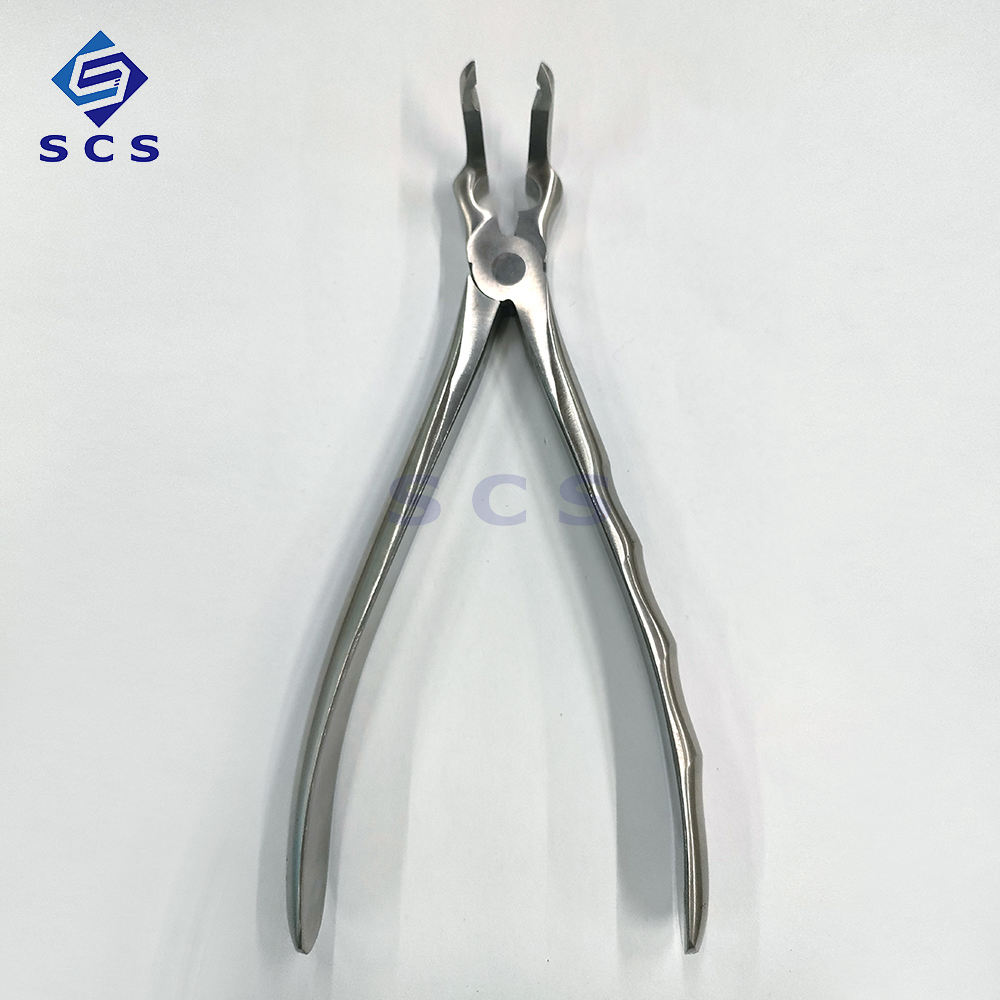
Choosing the correct forceps is essential for optimal results. 150 dental forceps should be used for upper jaw extractions, while 151 dental forceps are intended for lower jaw extractions. This distinction is important because the maxillary and mandibular arches differ in structure and size, and using the wrong forceps can lead to poor results and patient discomfort.
Different patient groups, such as pediatric, adolescent, and adult patients, may require different forceps based on their dental structure. For example, mini forceps may be more appropriate for small adults or teenagers with crowded teeth. Additionally, pedodontic (pedo) forceps are specially designed for children’s more delicate teeth and jaw structure. By selecting the right size and variant, dentists can ensure minimal trauma and better surgical outcomes.
Choosing the appropriate forceps ensures faster and more efficient extractions, as the tool fits the tooth and jaw anatomy precisely. This reduces the time spent on extractions, making procedures smoother for both the dentist and the patient. Using the right forceps also minimizes surgical fatigue for practitioners, as the tool is ergonomically suited for the specific extraction.
Using 150 vs 151 dental forceps correctly helps minimize trauma to the surrounding tissue. For example, using a curved beak for upper teeth ensures less pressure on the gums, while the angled beak of the 151 forceps helps to avoid excessive force when removing lower teeth. This is particularly important in anterior extractions, where tissue integrity is crucial.
Incorrectly using the wrong forceps, such as using 150 forceps on lower teeth or 151 forceps on upper teeth, increases the risk of root fractures and other complications. Choosing the right tool enhances root protection, leading to better patient outcomes and fewer post-operative issues.
The 150 dental forceps come in several variants, including:
| Variant | Description |
|---|---|
| Standard | Used for regular adult extractions, particularly upper anterior and premolar teeth. |
| Mini | Designed for smaller mouths, ideal for teenagers and small adults, offering more precise control. |
| Pedo | Crafted for pediatric patients, with a smaller size to accommodate delicate teeth and ensure minimal trauma. |
| Apical | Specially designed for apical root extractions, ideal for roots located below the gum line or deeply seated teeth. |
The 151 dental forceps also come in several variants to address various extraction challenges:
| Variant | Description |
|---|---|
| Standard | Used for general mandibular extractions, especially lower premolars, providing stable grip. |
| Split-beak | Offers an improved grip surface, ideal for irregularly shaped teeth or difficult-to-reach root fragments. |
| Pedo | Specifically designed for pediatric patients, with a smaller size to handle delicate lower teeth. |
| Slim | Ideal for extracting teeth in tight spaces or small jaws, providing better access to crowded areas. |
Each variant of the 150 vs 151 dental forceps offers unique benefits for specific extractions. Standard forceps are ideal for routine adult extractions. Mini variants are perfect for smaller mouths, such as in teenagers. Pedo forceps are designed for children, ensuring gentle, atraumatic extractions. For deeper or more complex extractions, apical (150AF) and split-beak (151AS) forceps provide better root access and grip, reducing the risk of root fractures and slippage. Choosing the right variant ensures smoother procedures and better patient outcomes.
Before selecting 150 or 151 forceps, ensure that you evaluate the tooth position thoroughly. Use X-rays to assess the root orientation and determine the appropriate tool. This step will help avoid using the wrong tool, ensuring better results and minimal patient discomfort.
Proper care and maintenance of dental forceps are crucial to ensure their longevity and optimal performance. Regular sterilization is necessary to prevent the buildup of bacteria and debris, while applying lubrication to the hinges ensures smooth operation and prevents wear. It's important to check the forceps frequently for any signs of wear and tear, especially at the beaks, as damage here can lead to tool failure during use. Additionally, always store forceps in a clean, dry environment to avoid corrosion and maintain their durability. Following these maintenance practices will help extend the lifespan of your tools and ensure their reliability for future procedures.
It's essential to regularly inspect the alignment of the beaks on your forceps. Misalignment can affect the precision of extractions and increase the likelihood of damaging the tooth or surrounding tissue. If you notice any irregularities in the beak alignment or any looseness in the hinge, it’s time to repair or replace the forceps. Ensuring the tool functions properly before each use will prevent unexpected issues during a procedure and improve overall surgical efficiency.
When using 150 or 151 dental forceps, it's important to understand the specific requirements of the extraction scenario. For example, in multi-tooth extractions, using the correct forceps for each tooth's location can streamline the procedure and reduce the amount of pressure applied to the surrounding teeth and gums. Additionally, always adjust your forceps’ grip based on the tooth's condition—whether it’s intact or fractured—to avoid excess force and minimize trauma to the patient.
Using the wrong type of forceps can lead to several complications, including incomplete extractions, root fractures, and increased surgical time. For example, using 150 dental forceps on lower teeth or 151 forceps on upper teeth can cause misalignment during extraction, increasing the risk of damaging the tooth or surrounding tissues. This not only affects the quality of the extraction but also prolongs the procedure, making it more stressful for both the patient and the dentist. Always ensure you are using the correct forceps designed for the specific jaw and tooth type to achieve a smoother and more efficient extraction.
Each 150 vs 151 dental forceps variant is designed for specific situations. Using the same tool for every extraction, regardless of the patient or tooth type, can lead to compromised results. Always select the forceps that best match the extraction conditions.
Tip: Keep a variety of forceps variants on hand to ensure that you're prepared for any extraction scenario.
Understanding the key differences between 150 vs 151 dental forceps is crucial for dental professionals. The right forceps selection minimizes trauma, root breakage, and enhances surgical efficiency. By considering factors such as patient needs and tooth position, dentists can ensure better outcomes. Foshan SCS Medical Instrument Co., Ltd. offers high-quality dental forceps designed to improve precision and patient comfort, making them a valuable choice for any dental practice.
A: The main difference between 150 vs 151 dental forceps is their intended use. The 150 forceps are designed for maxillary extractions, while the 151 forceps are used for mandibular extractions.
A: Use 150 dental forceps for extractions in the upper jaw, specifically for anterior teeth and premolars, as their curved beaks fit the maxillary arch.
A: No, 150 forceps are designed specifically for upper jaw extractions. For lower teeth, 151 dental forceps should be used to ensure proper alignment and control.
A: Regularly clean, sterilize, and lubricate 150 vs 151 dental forceps to maintain smooth operation. Check for wear, especially at the beaks, to avoid tool failure.
A: Choosing the correct 150 vs 151 dental forceps minimizes trauma, enhances extraction efficiency, and reduces the risk of root fractures, leading to better patient outcomes.


