
Home
Home | Dental Equipment | About | Solutions | Service | News | Contact Us
- All
- Product Name
- Product Keyword
- Product Model
- Product Summary
- Product Description
- Multi Field Search
 English
 Views: 0 Author: Site Editor Publish Time: 2025-12-16 Origin: Site


Dental extraction forceps are a critical tool in every dentist’s practice. Choosing the right forceps is essential for ensuring precise extractions and minimizing patient trauma. Improper forceps can lead to complications such as incomplete extractions, discomfort, and delayed recovery. In this article, we will explore the different types of dental extraction forceps, discuss their unique features, and explain how to select the correct tool for each procedure. By understanding how these tools work and their ergonomic benefits, dental professionals can improve their practice's efficiency and enhance patient outcomes.
The first factor to consider when selecting dental extraction forceps is the tooth location. The anatomy of the upper and lower jaws is different, so each requires specialized tools to ensure the best results.
| Type of Forceps | Jaw | Tooth Types | Design | Beak Shape | Size | Leverage | Ideal for | Common Uses |
|---|---|---|---|---|---|---|---|---|
| Maxillary Forceps | Designed for the upper jaw (maxilla). | Primarily used for incisors, canines, and molars in the upper jaw. | Straight design to align with the structure of the maxilla. | Beaks are straight or slightly curved, matching the anatomical structure of upper teeth. | Generally shorter, allowing for better control, especially for delicate anterior teeth. | Provides less leverage as the upper jaw typically requires less force. | Best for incisors, canines, and molars in the upper jaw. | Best for delicate extractions of upper teeth, particularly anterior and premolar teeth. |
| Mandibular Forceps | Designed for the lower jaw (mandible). | Primarily used for molars, premolars, and incisors in the lower jaw. | Angled design to accommodate the structure of the lower jaw. | Beaks are more angled to fit the mandibular teeth and root positions. | Longer and more angled, providing better access and leverage for molars and premolars in the lower jaw. | Provides greater leverage, especially for molars with deep roots in the mandible. | Best for molars, premolars, and incisors in the lower jaw. | Used for lower molar extractions, especially for teeth with deep roots requiring more force and leverage. |
When it comes to tooth extractions, dental extraction forceps are also categorized based on the specific type of tooth being extracted. Using the correct forceps ensures a smoother procedure with minimal complications.
| Type of Forceps | Design Features | Tooth Type | Jaw | Function | Ideal Use |
|---|---|---|---|---|---|
| Anterior Teeth Forceps | Smaller and slender design. Typically have straight or gently curved beaks for easy access. | Incisors and Canines | Maxillary and Mandibular | Designed to grip the tooth without causing damage to surrounding tissue. | Ideal for extracting incisors and canines in both upper and lower jaws. |
| Molar Forceps | Larger and more robust with pronounced curves and hooks to secure molars with deep roots. | Molars | Maxillary and Mandibular | Helps to extract larger teeth with deep, multiple roots without causing fractures. | Primarily used for molars in the upper and lower jaws, especially those with deep or multiple roots. |
| Premolar Forceps | Intermediate in size. Slightly curved beaks to provide better access for extracting premolars. | Premolars | Maxillary and Mandibular | Provides a secure grip for premolars, preventing slippage during extraction. | Used for premolars that have smaller crowns but more complex root structures. |
| Type of Forceps | Beak Type | Grip | Ideal Usage | Control | Trauma Prevention | Grip Strength | Common Applications |
|---|---|---|---|---|---|---|---|
| Serrated Forceps | Textured beaks with serrations to provide a firm grip. | Provides a secure grip, reducing the risk of slippage, especially in difficult extractions. | Ideal for deeply rooted molars or difficult extractions where extra control is needed. | Offers enhanced control, ensuring a secure hold on the tooth and preventing movement during extraction. | Reduces slippage but may cause more trauma due to the firm grip, especially in delicate extractions. | The serrations help prevent slipping during the extraction, particularly useful for more challenging teeth. | Commonly used in extracting molars, particularly those with deep roots that require a stronger hold. |
| Non-Serrated Forceps | Smooth beaks for gentler handling and more delicate extractions. | Provides a gentle grip, suitable for teeth with shallow roots or intact crowns. | Ideal for anterior teeth or teeth with shallow roots, especially when a delicate touch is required. | Provides gentler control, reducing trauma to surrounding tissues. | Reduces risk of trauma to surrounding tissues due to the smooth surface, making it ideal for delicate procedures. | The smooth surface ensures gentler handling of teeth, minimizing the risk of excessive force or damage. | Best for anterior teeth and shallow-rooted teeth, requiring less force and a more delicate approach. |
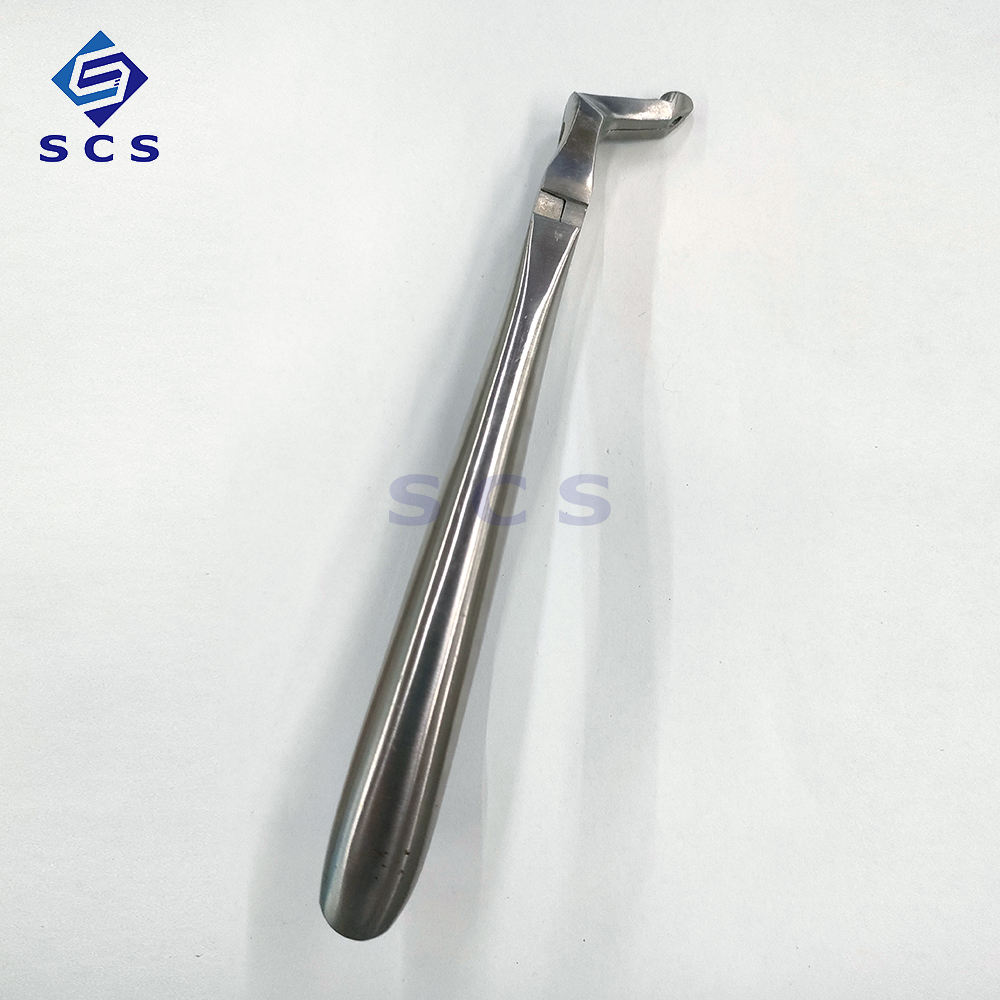
Choosing the right dental extraction forceps is not only about tooth location but also accessibility. Each tooth’s root morphology plays a significant role in selecting the right tool. For example, if a tooth is located deep in the jaw or has a complex root structure, specialized forceps are required for effective removal.
Maxillary and mandibular extractions require different tools. Maxillary forceps are designed to handle the unique structure of the upper teeth, while mandibular forceps are angulated to provide the necessary leverage for teeth located in the lower jaw.
Ergonomics are crucial when choosing dental extraction forceps, especially for extended procedures. Forceps with ergonomic handles reduce strain on the dentist’s hand and wrist, promoting better control during extractions. Comfortable handles, balanced weight, and lightweight designs ensure that the dental professional can maintain a steady hand without fatigue, which is essential for precision during long extractions.
The quality and durability of dental extraction forceps directly impact their performance and lifespan. High-quality surgical stainless steel is commonly used in making these tools, offering strength, resistance to corrosion, and long-term durability. Furthermore, corrosion-resistant coatings, like titanium nitride, enhance their functionality and provide a longer tool life, even with frequent use and sterilization.
Certain extractions require specialized forceps. Split-beak forceps and apical forceps are designed for difficult extractions such as those with deeply seated or impacted roots. These tools allow for better precision and access to the tooth, improving the chances of successful removal while reducing patient discomfort.
Modern dental extraction forceps are often crafted from high-grade materials like surgical stainless steel, providing enhanced strength and long-term performance. Additionally, titanium nitride coatings are used to improve the grip and precision of forceps, ensuring a better hold during challenging extractions. These innovations provide extra durability, ensuring that the tools perform consistently well under demanding conditions.
Ergonomic features in dental forceps include spring-loaded handles and rotating grips. These features help reduce the stress placed on the dentist’s hand and wrist, allowing for a more comfortable extraction process. With rotating grips, dental professionals can gain better control over the forceps, improving their ability to maneuver the tool even in complex extractions.
Modern dental extraction forceps often incorporate micro-serrations or textured beaks to improve grip and control. These features significantly reduce the chance of slippage during extractions, ensuring the tooth remains secure throughout the procedure. Tools with advanced grip technologies, such as those found in SurgiMac Hexa Series, provide maximum tactile feedback, which is essential for handling complex extractions.
One of the most important innovations in dental extraction forceps is the ability to customize them for specific extraction needs. Some forceps are designed with interchangeable parts, such as different beaks, which allow dental professionals to adjust the forceps to the extraction type. This adaptability makes dental forceps highly versatile and useful in a variety of extraction scenarios.
A comprehensive pre-extraction evaluation is crucial for selecting the right dental extraction forceps. Factors such as the tooth’s root shape, position, and accessibility must be considered before choosing a tool. Radiographic imaging, such as X-rays, can provide important insights into the tooth's anatomy, ensuring that the correct forceps are selected for optimal precision.
Dental extraction forceps require regular care to maintain their performance. Sterilization, cleaning, and lubrication are necessary to ensure the forceps remain functional and safe to use. Regular inspection of the forceps, especially around the beaks, is important to avoid wear and tear that could affect the tool’s effectiveness.
Using the wrong dental extraction forceps for a specific tooth can lead to serious complications, including incomplete extractions, root fractures, or damage to surrounding tissues. It’s crucial to match the forceps to the tooth’s location, root structure, and size to ensure a secure grip and efficient removal. Properly selecting the correct forceps minimizes trauma and enhances precision, leading to a smoother, safer extraction process.
Overusing the same dental extraction forceps for multiple extractions can lead to inefficiency and discomfort for both the dentist and the patient. It is important to select forceps that are tailored to the specific tooth type to ensure precision and comfort during the procedure.
Failing to choose dental extraction forceps with ergonomic features can lead to hand fatigue or discomfort during long procedures. Forceps with ergonomic handles and balanced designs reduce strain, improving efficiency and the overall experience for the dental professional.
Worn or damaged dental forceps should never be used during extractions, as they can significantly compromise the effectiveness and safety of the procedure. Misaligned beaks, loose or worn-out handles, and signs of corrosion can prevent the forceps from securely gripping the tooth, leading to imprecise extractions. This increases the risk of root fractures, incomplete extractions, or damage to the surrounding soft tissues, such as gums or the jawbone. Regular inspection and maintenance of forceps are essential to ensure their functionality, and any damaged tools should be replaced immediately to prevent complications and ensure patient safety.
Selecting the right dental extraction forceps is crucial for ensuring the success of each procedure. By understanding the different types, applications, and ergonomic features of dental extraction forceps, dental professionals can improve patient outcomes and increase operational efficiency. Regular care and proper maintenance are key to prolonging the life of your tools. Foshan SCS Medical Instrument Co., Ltd. provides high-quality, ergonomic dental extraction forceps, designed to enhance precision, reduce fatigue, and improve the overall care dental professionals provide to their patients.
A: Dental extraction forceps are essential tools used by dentists to remove teeth, with specific designs for different tooth types and jaw locations to ensure precise extractions with minimal trauma.
A: Choosing the right dental extraction forceps depends on tooth location, root structure, and the forceps' design, ensuring the proper tool for maxillary or mandibular teeth.
A: Serrated dental extraction forceps provide a stronger grip, ideal for deep-rooted teeth, while non-serrated forceps are used for more delicate extractions, minimizing tissue damage.
A: Ergonomic features in dental extraction forceps help reduce hand fatigue, allowing for better precision during lengthy procedures and enhancing dentist comfort.
A: No, it's essential to use specialized forceps tailored for each tooth type, such as anterior, molar, or premolar forceps, to ensure successful and safe extractions.


